No Equipment Soccer Drills for Kids: Fun, Safe, and Effective Training Anywhere
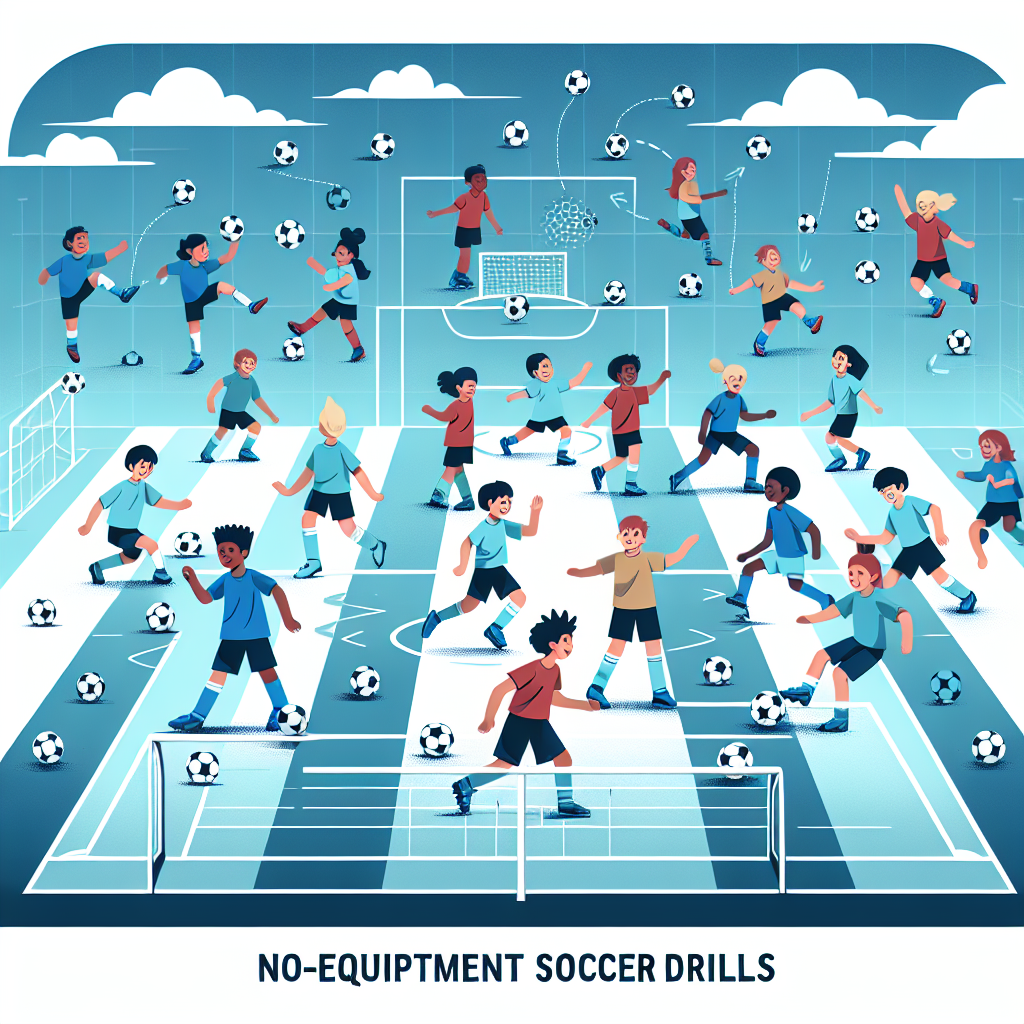
Think you need fancy cones, ladders, and balls to help your child improve at soccer? Think again. Whether you’re at home, in a park, or on vacation, there are plenty of ways for kids to sharpen their skills using just their bodies and a little bit of space. At Performix, we know parents want soccer training that’s safe, convenient, and actually works—even when there’s no equipment in sight. That’s why our FirstTouch app includes a range of no-equipment drills, designed by experts and loved by kids ages 8 to 18. In this article, we’ll show you how to help your young player develop footwork, fitness, and confidence—anytime, anywhere.
Why No Equipment Drills Matter
Soccer is a game of creativity and adaptability. The best players learn to master their bodies, read the game, and make smart decisions, not just handle gear. No equipment soccer drills can be just as effective as traditional ones, and sometimes even more so, especially when they focus on balance, agility, and quick thinking.
For busy families, these drills are a game-changer. There’s no need to buy or carry extra gear, and kids can practice safely in the backyard or living room. Plus, these activities boost kids’ confidence and independence—they’ll see that all they really need is a little space and motivation to get better.
Pro tip: No equipment drills are perfect for rainy days or travel, so your child’s training stays consistent year-round.
Building Soccer Fundamentals Without Gear
Some parents worry that without cones, balls, or goals, soccer practice isn’t “real.” But building strong fundamentals starts with the basics: movement, coordination, and body control. Here’s how no-equipment drills lay the foundation for soccer success.
One of the most important soccer skills is agility—the ability to change direction quickly and maintain balance. Simple exercises like side shuffles, quick steps, and zig-zag runs can help players develop this trait. Another core skill is reaction time. Activities like “shadow tag” (where one player mirrors another’s movements) train a child’s ability to react to opponents on the field.
Balance is crucial, too. Try single-leg stances or hopping drills to challenge stability and core strength. And don’t forget footwork: patterns like the “ladder run” (imaginary ladder on the ground) or “toe taps” (tapping feet quickly in place) teach rhythm and sharp movements—no physical ladder required.
Pro tip: Turn drills into mini-challenges or races to keep kids motivated and make practice feel like play, even with no equipment.
Top No Equipment Drills to Try

Ready to get moving? Here are some of our favorite no-equipment soccer drills that kids can do solo or with siblings. Each one targets a crucial aspect of soccer training, from speed and coordination to mental sharpness.
1. Quick Feet Shuffle Mark out a small area using shoes, sticks, or even just imaginary lines. Have your child shuffle side-to-side as quickly as possible for 30 seconds, then rest. This drill builds lateral speed and endurance—key for defense and midfield play.
2. Shadow Dribbling Pair up: one player acts as the leader, moving in different directions, while the other “shadows” every movement. No ball is needed; focus on footwork, body positioning, and reaction time. Switch roles after a minute to keep things fair and fun.
3. Reaction Sprint Stand facing your child. Call out commands—“left,” “right,” “back,” “forward”—and have them move quickly in that direction. For an extra challenge, mix in a surprise command like “jump” or “freeze.” This builds explosive speed and listening skills.
4. One-Leg Balance Challenge Soccer is full of awkward landings and tricky turns. Ask your child to balance on one leg for 30 seconds, then switch. Make it harder by having them close their eyes or move their arms. This improves stability and strengthens core muscles.
5. Invisible Ladder Drill Imagine a ladder on the ground and practice running through it with high knees, side steps, or quick hops. This classic footwork exercise improves agility without any real equipment.
Pro tip: Use a stopwatch or timer to track progress and add a sense of accomplishment as kids get faster and more coordinated.
Making Drills Fun and Engaging
Let’s face it: if practice feels like a chore, kids won’t stick with it. The secret to lasting improvement is making drills engaging and enjoyable. Here are a few ideas to keep your young player motivated, even when there’s no ball or gear in sight.
Set mini-goals or challenges for each session—can they beat last week’s time on the ladder drill? Can they balance longer on one foot today? Celebrate small improvements and let your child track their own progress, fostering a sense of ownership and pride.
Involve the whole family or a group of friends. Turn drills into friendly competitions, relay races, or obstacle courses using household items. Sometimes, creating a “soccer circuit” with several short exercises keeps things dynamic and less repetitive.
Don’t underestimate the power of music and praise. Playing upbeat tunes or offering positive feedback can transform a simple workout into an exciting event.
Pro tip: Let kids choose their favorite drills or invent their own, giving them creative control and boosting their love for the game.
Safety and Structure for Peace of Mind
As a parent, safety is always top of mind. No equipment drills offer a controlled way to build skills without the risks of crowded fields or unpredictable weather. Still, it’s important to maintain structure and supervision to prevent injuries and keep sessions productive.
Start each session with a gentle warm-up—think jogging in place, dynamic stretches, and light movement to get the blood flowing. Remind kids to wear comfortable shoes and practice on a flat, open surface free of obstacles. Stay nearby, especially with younger players, to offer guidance and encouragement.
Encourage kids to listen to their bodies and rest if they feel tired or sore. Consistency beats intensity: five to ten minutes of focused practice every day delivers better results than a single long session once a week.
Pro tip: Use the FirstTouch app to plan and track each session, ensuring your child gets structured development and stays motivated over time.
Progress Tracking and Lasting Results
One of the biggest challenges for parents is knowing whether all this practice is actually paying off. That’s where progress tracking comes in. With or without equipment, consistent assessment helps kids see their growth and sets the stage for long-term success.
Encourage your child to note their times, reps, or any personal records for each drill. Maybe they can balance on one leg for 15 seconds longer than last week, or complete more quick feet shuffles without stopping. These small wins add up, building self-esteem and fueling motivation.
Apps like FirstTouch make it easy to log each session and review past performances. Personalized training plans can adapt as your child improves, keeping things challenging and fresh—without ever needing to buy extra gear.
Pro tip: Celebrate milestones, big and small, with something special—like choosing the next family movie or a fun outdoor activity—so your child connects effort with reward.
Conclusion
No equipment soccer drills aren’t just a backup plan—they’re a powerful way to help kids develop vital athletic skills, confidence, and a lifelong love of the game. With nothing but space, energy, and the right guidance, your child can improve at soccer anywhere, anytime. At Performix, we believe in making soccer training accessible, safe, and effective for every family. Try out these drills, track your progress, and watch your young player grow—on and off the field.