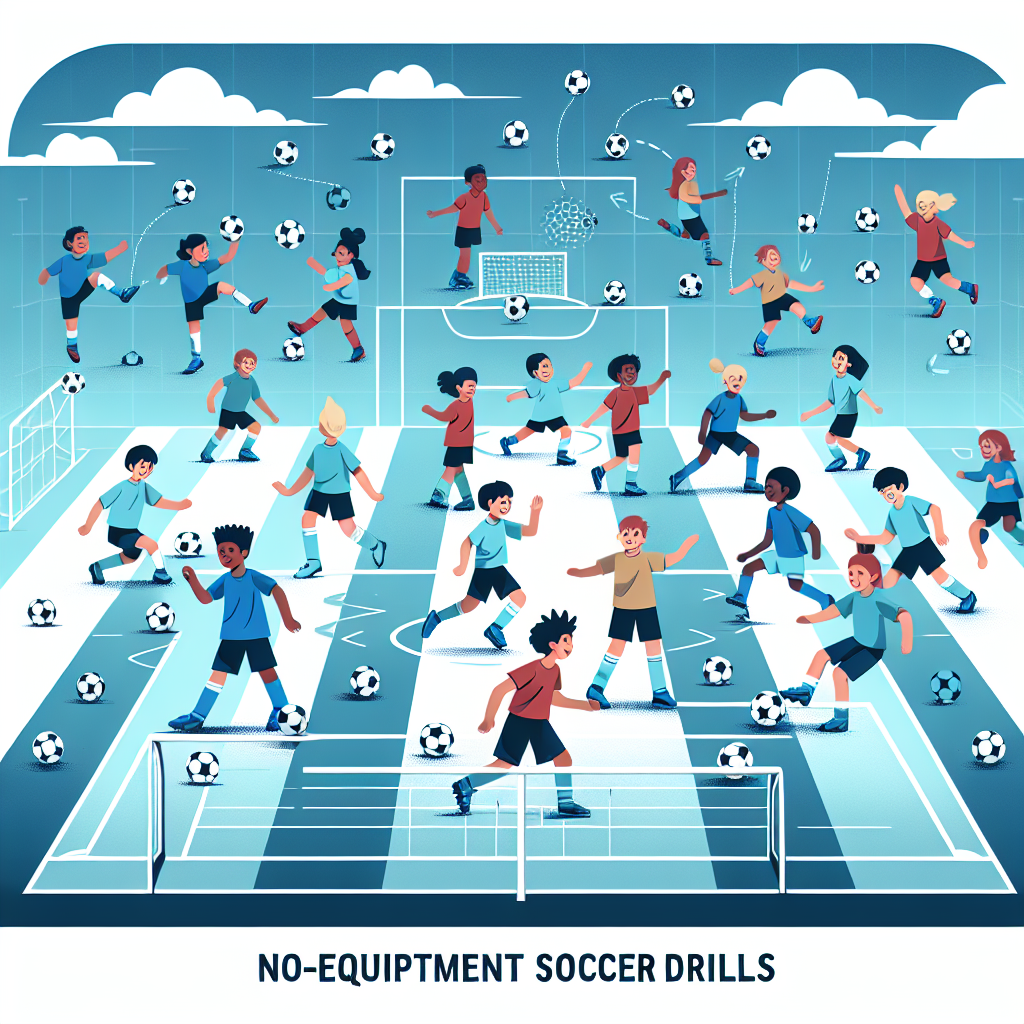
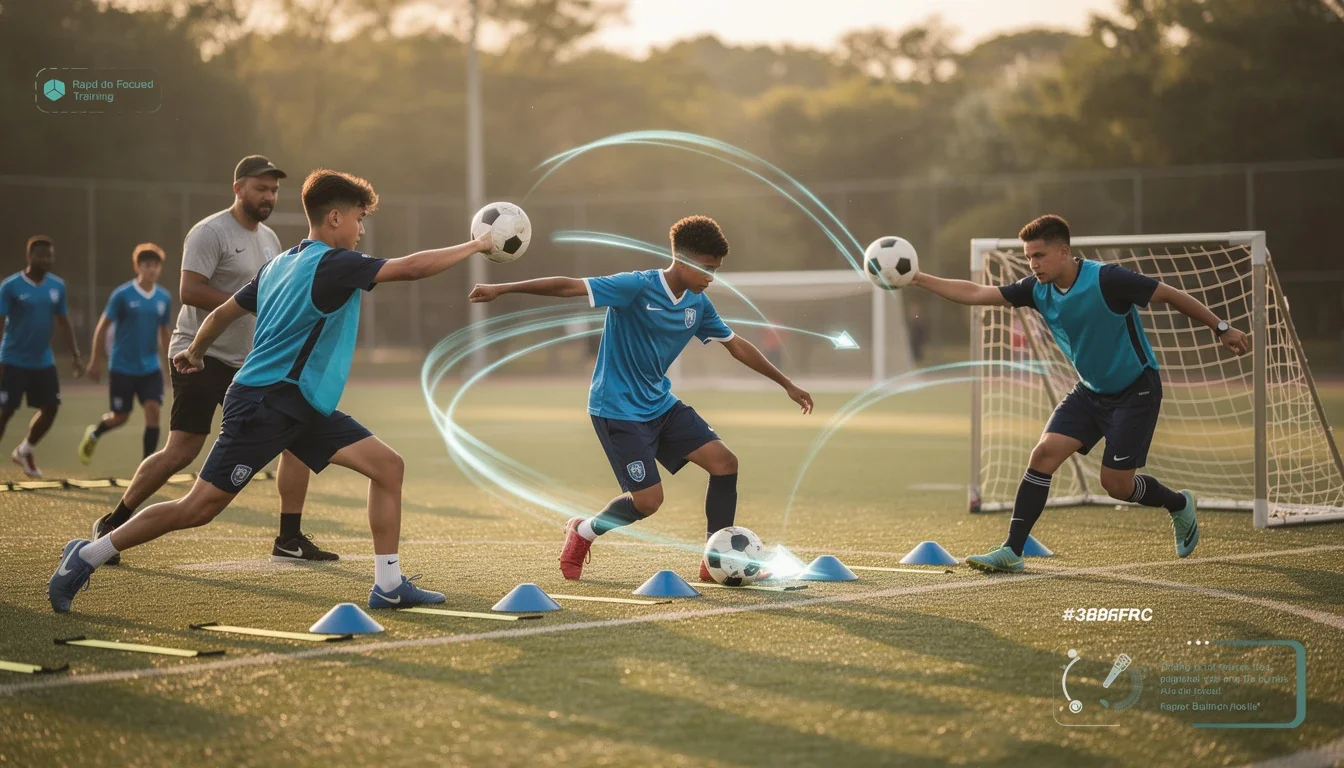
Short Daily Soccer Training Sessions: A Beginner Friendly Guide

Imagine your child (or you) practicing soccer for just 15 minutes a day and, over a season, looking faster on the ball, more confident, and far less frustrated in games. That is the quiet power of short daily soccer training sessions: small, repeatable routines that stack into big improvement without turning your life into a full time sports schedule.
What short daily soccer training actually means

Short daily soccer training sessions are focused, bite sized practices you repeat almost every day, usually 10 to 25 minutes long. Think of them like brushing your teeth, but for soccer skills. You are not trying to recreate a full team practice in your driveway. You are building a simple habit that keeps the ball at your feet and your brain engaged with the game.
When I say training, I do not mean running laps until everyone hates soccer. A session might be as simple as a warmup, one ball control drill, and one passing or shooting drill. That is it. Quality over chaos. You repeat the same core drills for a week or two, then gently adjust as they become easy.
For a beginner, even words like dribbling and first touch can feel like jargon. Dribbling just means moving with the ball while keeping it close to your feet. First touch is the way you receive the ball on your foot or body so that it stays under control. A short daily session gives you a safe space to learn these basics without teammates watching or a coach shouting to hurry.
The annoying thing about soccer development is that big, occasional practices often do less than small, frequent ones. These compact sessions are designed to fit around homework, work, and family time so soccer growth does not collide with everything else in your schedule.
Pro tip: Start with a timer, not a to do list; decide that when the 15 minutes is up, practice is done, and you will find it much easier to show up again tomorrow.
Why short daily soccer training sessions matter
Short daily soccer training sessions work because your brain and muscles love repetition more than marathon efforts. Skill learning research in sports science shows that frequent, shorter practices tend to build coordination and confidence better than rare, exhausting workouts. Your nervous system remembers patterns you repeat often, even if they are simple. That applies to kids, teens, and adults.
For parents, there is another benefit no one talks about enough: fewer battles. A fifteen minute plan is much easier to sell than an hour long conditioning grind. You avoid the classic fight of dragging a tired child outside after school. Instead, you offer something that feels manageable and, over time, even enjoyable. I have seen shy players come alive just because home training stopped feeling like punishment.
You also get more chances to correct mistakes gently. In a busy team practice, a coach might not notice that your player always stops the ball with the wrong part of the foot. At home, in a short, quiet session, you can focus on one tiny detail until it feels natural. That slow, patient refinement is where real progress hides.
Is there a downside? Well, if the sessions are unfocused or random, progress will be slow and frustrating. That is why I prefer using a simple plan or a structured app so each day has a clear purpose instead of being twenty minutes of kicking the ball around and calling it training.
- They build consistent habits without draining energy
- They fit easily around school, work, and family time
- They reduce pressure compared with crowded team practices
- They allow focused attention on one or two key skills
Getting started in five simple, realistic steps
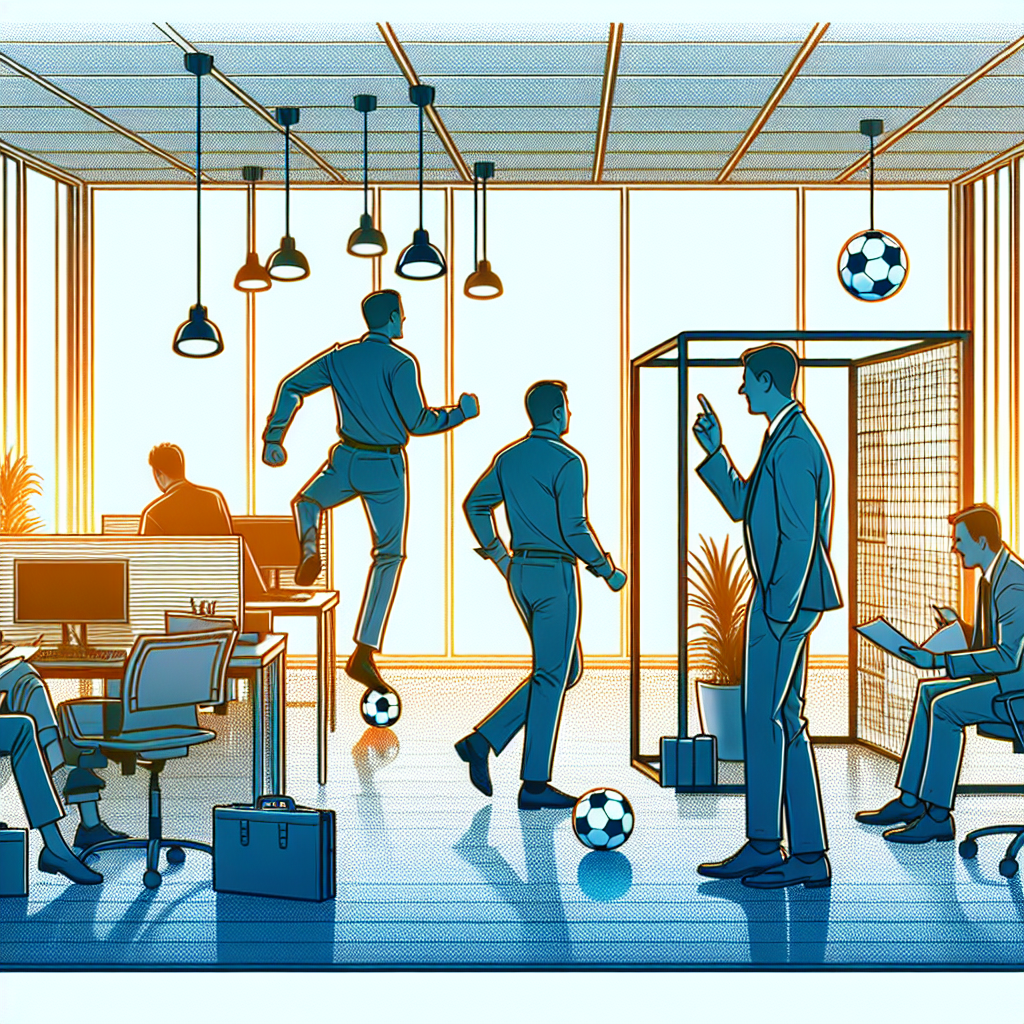
You do not need fancy equipment or a perfect backyard to begin short daily soccer training sessions. You need a ball, a small safe space, and a simple routine. I like to think in five pieces: time, place, warmup, core drill, and cool down. Notice how we are not talking about buying goals or cones yet.
First, pick a specific time that already exists in your day. Right after homework, just before dinner, or right after breakfast are common winners. Your brain loves stable routines. If the time changes every day, the habit usually dies within a week. Second, choose a place that is always available: driveway, hallway, garage, or a small piece of grass. Even a three meter by three meter area can work with smart drills.
Third, start each session with 2 to 3 minutes of gentle movement: light jogging in place, side steps, and simple stretches. For kids, make it playful, not like a military warmup. Fourth, choose exactly one main focus for the day, such as dribbling through three objects or passing against a wall. Keep that focus for at least a week so you build depth, not just variety.
Finally, end with one or two easy touches or playful shots just to leave a positive feeling. This sounds small, but it really changes how eager a player feels about the next session. The goal is always the same: end while they still have energy, not when they are exhausted and annoyed.
If you want a ready made structure, a beginner friendly training app that shows short, age appropriate drills and tracks streaks can take a lot of planning stress off parents while still keeping control in your hands.
Beginner mistakes that quietly derail home soccer practice
Most new players and parents make the same handful of errors with short daily soccer training sessions, and they are all totally fixable. The first is treating every session like a fitness test. If your player finishes gasping for air and miserable, the habit will vanish. Skill work should feel challenging but not punishing, especially in the early months.
The second mistake is chasing variety instead of mastery. It is tempting to scroll social media drills and add new ones every day. But constant novelty means nothing ever becomes automatic. A better rule is to keep roughly the same drills for one to two weeks, then tweak them. For example, dribble around three cones every day this week, then next week use the weaker foot more or shorten the space.
A third trap is practicing only with the strong foot. This feels good in the moment, because everything looks cleaner, but it builds a lopsided player who struggles under pressure. Even beginners should spend at least a third of their touches on the weaker side. It will look messy. That is fine. Messy is how learning starts.
I will also mention environment, because it matters more than gear. A cramped, cluttered space full of breakable objects creates tension for everyone. Clearing a small safe zone, even if it is just taping a box on the floor, usually makes practice calmer and more focused. And yes, I have broken a lamp learning this the hard way.
Where to go next with your growing soccer habit
Once short daily soccer training sessions feel normal, you have options. You can slowly lengthen sessions to 20 minutes, or keep them short and simply raise the technical level. The right path depends on your schedule and your player’s personality. Some kids thrive on new challenges; others do better building comfort with the basics for a long time. Both approaches can work.
As skills grow, you might add simple goals around speed, accuracy, or consistency. For example, how many controlled touches can you do in 30 seconds without losing the ball, or how many passes in a row can hit a small target on the wall. I am not a fan of turning everything into a competition, but light measurement can be motivating and shows that work is paying off.
You can also start blending home work with team environments. Share video of your player’s home drills with their coach and ask for one suggestion. Most coaches appreciate families who support training in a calm, structured way instead of demanding more playing time. Over time, you may be ready to explore more advanced drills, strength basics, or position specific skills. Just move one step at a time.
And if you ever feel lost, remember the core idea that started this: soccer growth from small, consistent effort. If a new plan or tool supports that, great. If it turns your life into chaos, you can say no and go back to the simple, repeatable sessions that built the foundation in the first place.
[IMAGE_PAIR_START
[IMAGE_PAIR_END
Building a sustainable routine you and your player can keep
Short daily soccer training sessions are less about squeezing out one amazing workout and more about building a rhythm that quietly shifts a player’s confidence over weeks and months. You now know what they are, why they matter, how to start, what to avoid, and how to grow the habit once it is in place. That is more than enough to begin, even if you still feel a little unsure.
If there is one idea I hope you keep, it is that small, kind, consistent practice usually beats intense, irregular effort. Soccer should feel like a part of life, not a source of constant stress. With a ball, a small space, and a simple daily plan, you and your player can move from feeling overwhelmed to feeling in control of their development, one short session at a time.
Choose a 15 minute window for tomorrow, clear a small safe space, and commit to your first short daily soccer training session this week. Do not wait for the perfect plan; start simple, stay kind to yourself, and let consistency do the heavy lifting.
Related Resources