Soccer Practice At Home For Kids: A Beginner-Friendly Parent Guide
Your child wants to get better at soccer, but you cannot live on the sidelines of endless practices and extra clinics. And honestly, standing in the yard wondering what drill to do next is nobody’s idea of fun. This guide walks you through soccer practice at home for kids in plain language, from zero knowledge to a calm, confident routine that actually helps them improve.
What home soccer practice really is for kids
Think of soccer practice at home for kids like piano practice between lessons. The coach, or music teacher, introduces the pieces. Home is where skills are repeated, broken into tiny chunks, and slowly start to feel natural. You are not trying to replace a coach. You are simply creating a small, predictable space where your child can repeat the basics and enjoy the game on their own turf.
For beginners, the goal is not complicated tactics. It is simple movements: tapping the ball with the inside of the foot, stopping it calmly, turning with it, and striking it cleanly. I sometimes compare it to learning to write. Before essays, kids need to trace letters. Soccer is similar. Before games, kids need lots of quiet touches on the ball, with no pressure and no shouting from the sidelines.
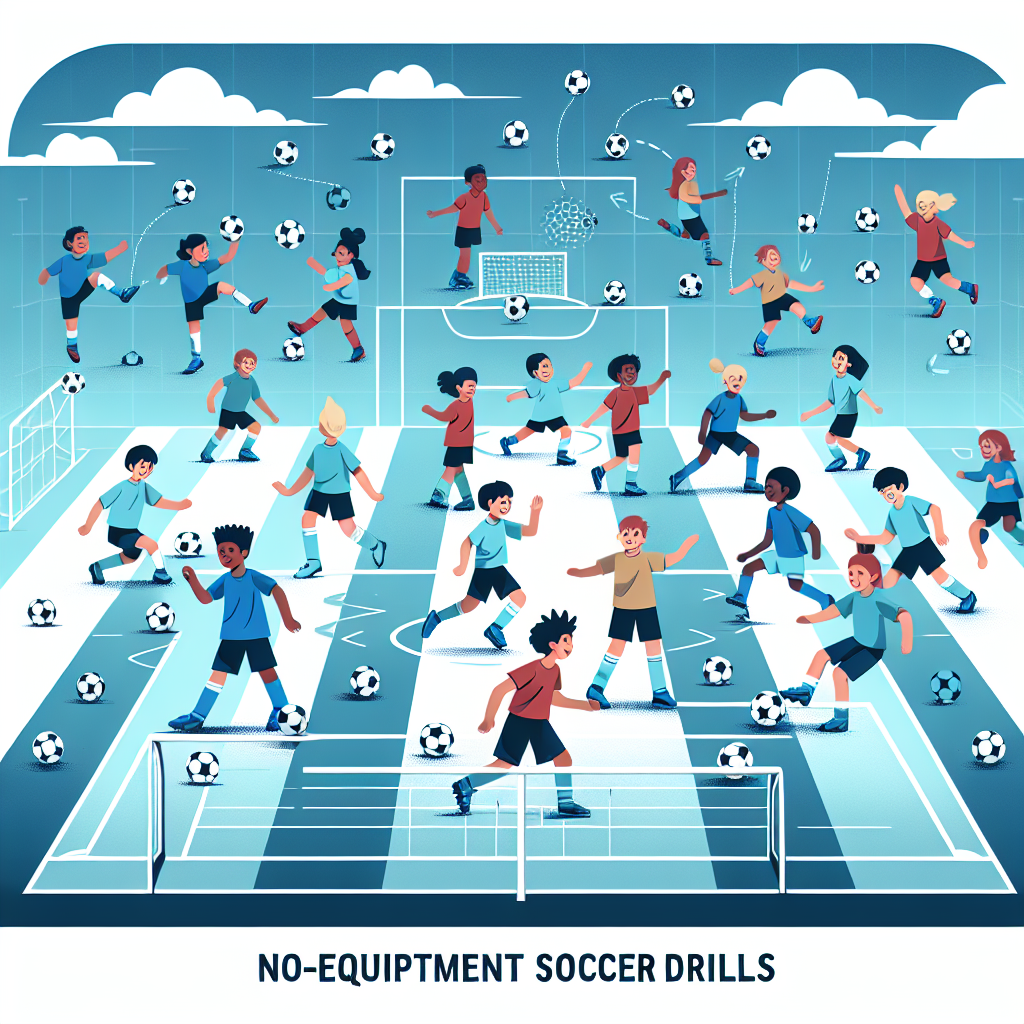
When people hear the phrase soccer practice at home for kids, they often imagine cones everywhere, complex ladders, maybe even expensive nets. You can ignore most of that, especially early on. A flat space, a ball, and a rough plan are enough. The real magic is repetition and a positive mood, not fancy gear or perfect technique from day one.
Over time, your home routine becomes a bridge between team practices. It prevents that start stop pattern where a child improves during the season, then loses confidence during long breaks. And because it happens in a familiar, low stress setting, many kids feel more comfortable experimenting, making mistakes, and finding their own style.
Pro tip: Start with sessions so easy and short that your child finishes wanting more; it is far better than one exhausting practice that makes them dread the next one.
Why parents should care about simple home sessions
There is a very practical reason to care about a basic routine for soccer practice at home for kids. Research on youth sports shows that kids improve most when they touch the ball often, not just once or twice a week. A 15 minute home session can easily double or triple their weekly touches compared with team training alone. That adds up quickly over a season.
There is also the confidence piece, which I honestly think is more important than technique at younger ages. Children who practice at home tend to arrive at games feeling prepared, not nervous. They have already messed up in the yard where it was safe. By the time they face a defender, the ball feels familiar instead of scary. You will see it in their body language: more upright posture, more willingness to try things.
From a health perspective, short daily movement helps balance out screen time without turning your life into a full time sports shuttle service. The American Academy of Pediatrics suggests at least 60 minutes of moderate to vigorous activity per day for kids. Even if soccer covers only a slice of that, it is a meaningful slice.
There is a subtler benefit that parents sometimes underestimate. When you support soccer practice at home for kids, you are modeling how to learn any skill: break it down, show up regularly, adjust when it gets hard. It is the same mindset they can later use for school, music, or even a first job. You are not just raising a player; you are helping shape their habits around effort and improvement.
I will admit one drawback. The annoying thing about home practice is that it can feel like one more task on a busy schedule. That is why I am a fan of tiny, consistent blocks over heroic, once a week marathons. They fit better into real life and, in my experience, kids stick with them longer.
Five simple steps to start practicing at home

To make soccer practice at home for kids feel manageable, treat it as a tiny system, not a random activity. A simple five step framework works well for most families, even those with no soccer background. You can adapt it to your space, your schedule, and your child’s age, but the sequence tends to stay the same.
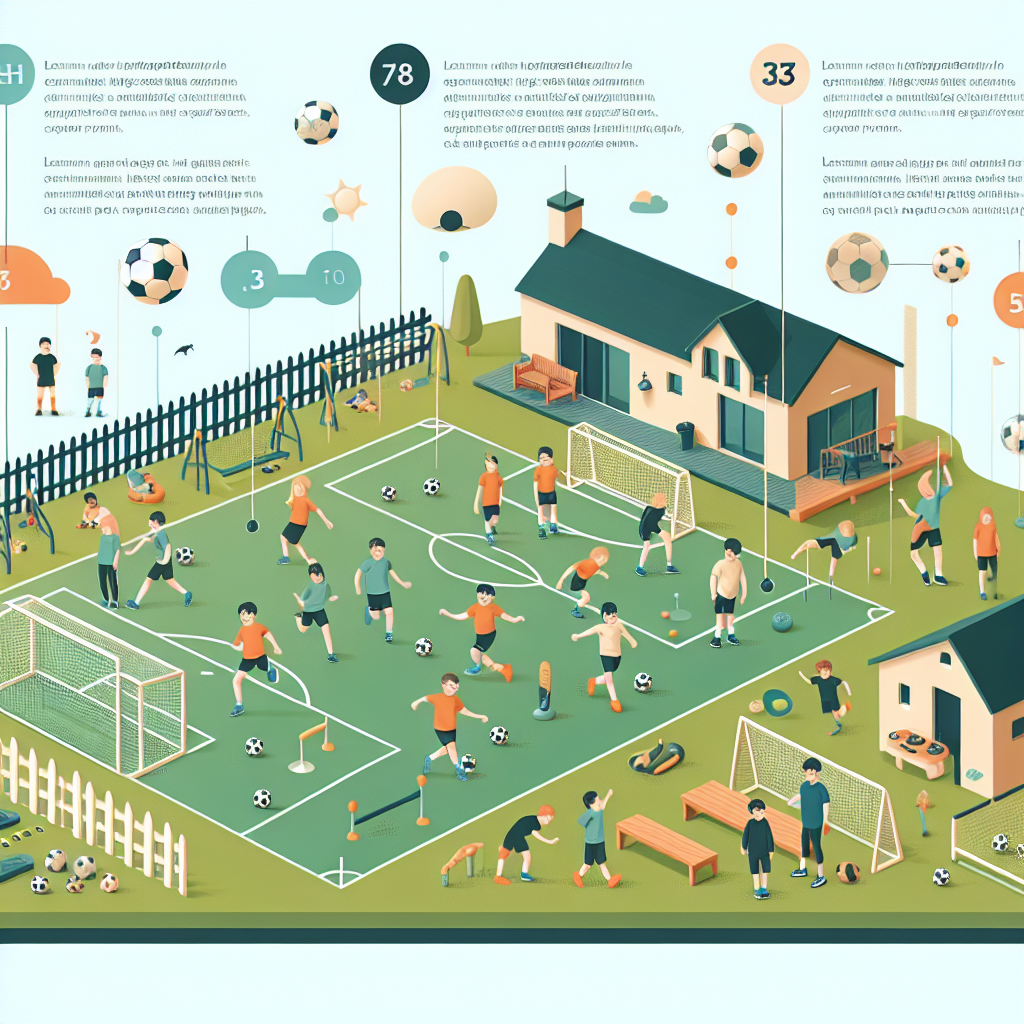
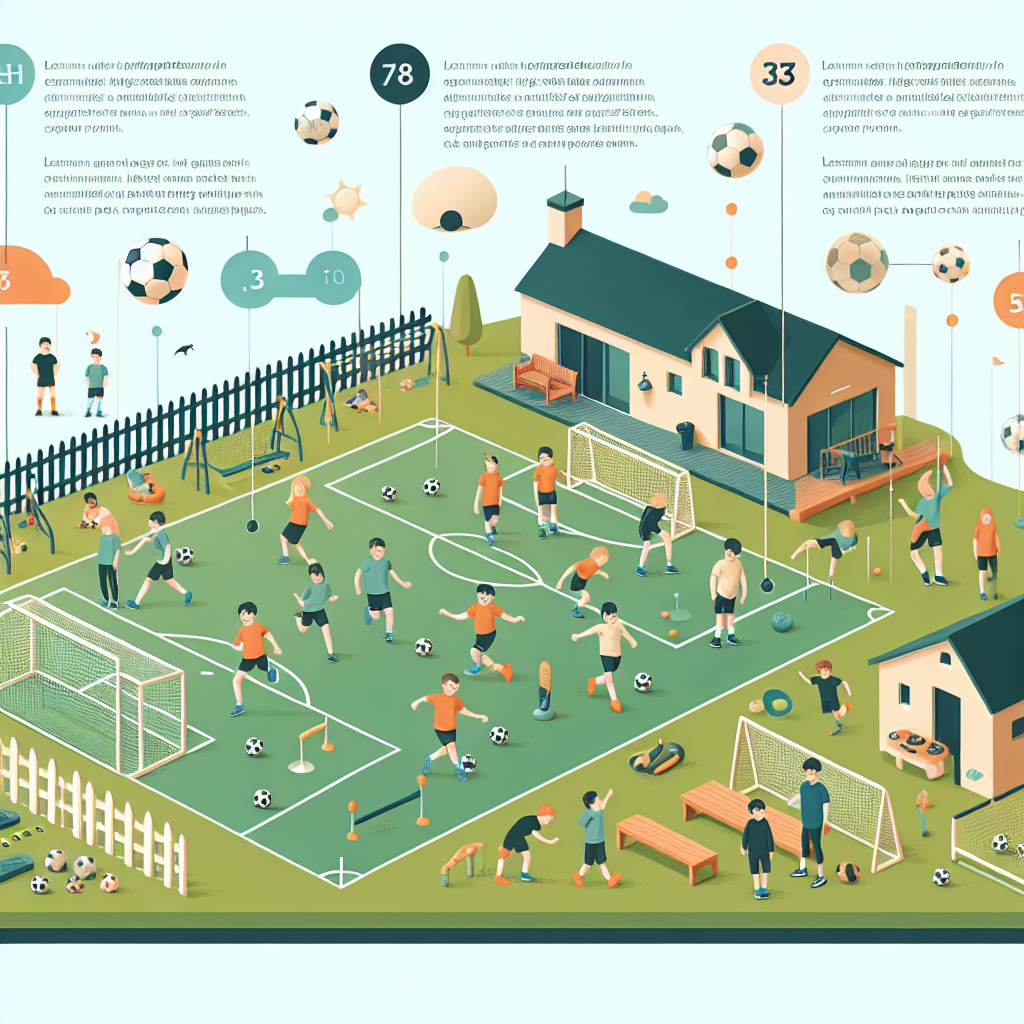
Step one is choosing a safe, clear area. A driveway, a hallway with soft ball, or a small patch of grass is enough. Remove tripping hazards like toys or hoses and agree on no shooting near windows. Safety first, especially if younger siblings wander through.
Step two is picking a short time slot and sticking to it. Ten to twenty minutes, two to four times per week, beats a single hour crammed into Sunday night. Many parents like pairing practice with an existing habit, such as right after homework or before dinner. The brain loves routines it can predict.
Step three is focusing each session on one main skill. For beginners, that might be gentle inside foot taps, stopping the ball under the foot, or passing against a wall. You do not need dozens of drills. One core activity, plus a fun game at the end, is more than enough.
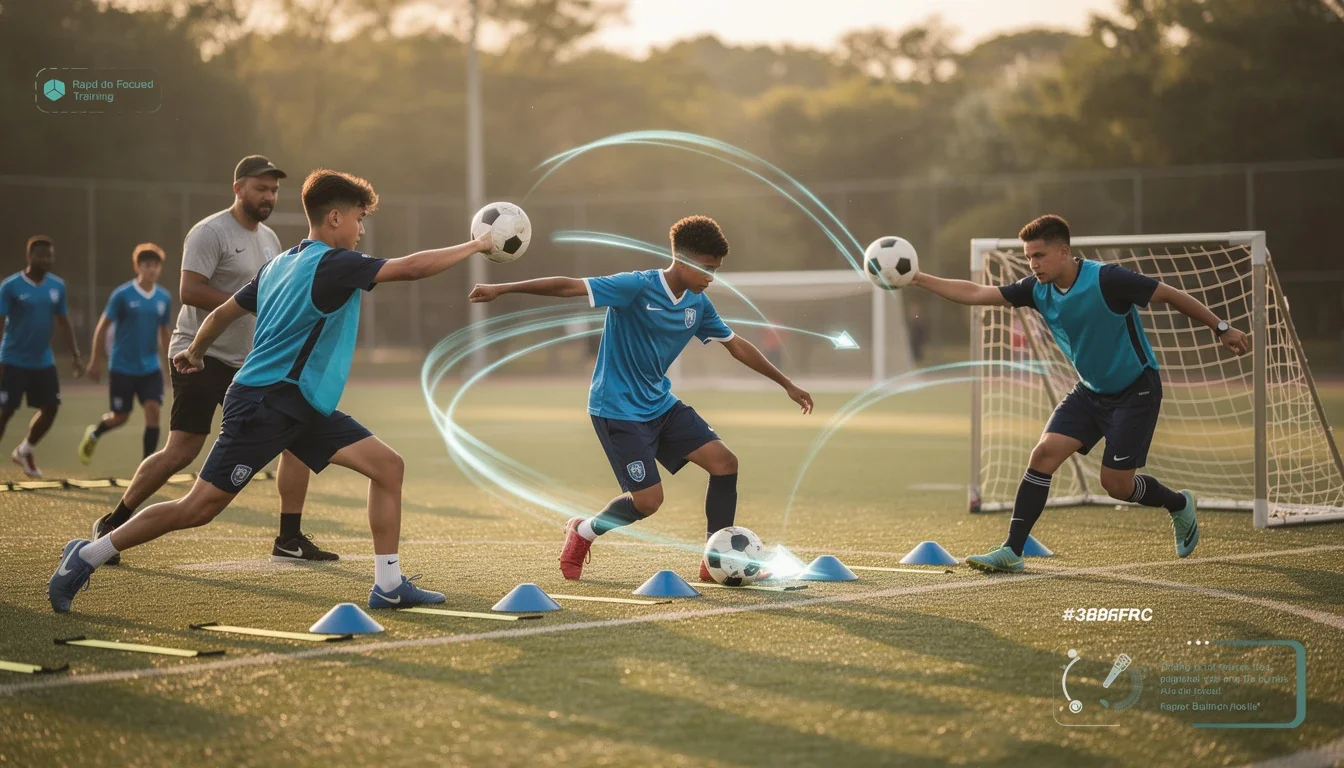
Step four is tracking something simple, like number of touches in thirty seconds or how many passes hit a target. Kids respond surprisingly well to seeing even small numbers improve. If you use a training tool like the Performix app, this tracking is built in with videos and progress stats, which honestly saves parents a lot of guesswork.
Step five is ending on a positive note. That could be a mini challenge, a quick one versus one with you, or just some free play with music on. The last minute tends to color how your child remembers the whole session, so keep it light.
Pro tip: If your child resists starting, offer a tiny deal such as just three minutes of a favorite drill; once they get moving, they usually stay longer without you asking.
Avoiding common beginner mistakes at home
When families try soccer practice at home for kids and give up after a week, it is almost always for the same few reasons. The first is going too long, too hard. A nine year old does not need a 45 minute conditioning circuit in the backyard. Exhaustion looks like progress in the moment, but it usually kills motivation by the third session.
Another frequent mistake is turning every practice into a coaching lecture. I have been guilty of this myself. You start with one helpful cue, then suddenly you are explaining body shape, field vision, and passing angles all in ten minutes. Young players tune out fast when there is more talking than touching the ball.
Parents also fall into the equipment trap. They buy ladders, rebounders, and half a dozen cones before their child can comfortably control a rolling ball. Those tools can help eventually, but at the beginning they mostly create clutter and pressure. Simplicity wins.
Finally, many beginners forget about fun. It sounds obvious, but once you are tracking progress and thinking about teams or tryouts, it is easy to slip into performance mode. If your child dreads practice, their long term development will stall no matter how smart your drills look.
The best fix for all these issues is a simple rule: more ball, less talk, lots of small wins. Think 60 to 80 percent of the session with the ball at their feet, a few clear cues, and at least one moment where you can say, That was better than last time.
Pro tip: If practice feels tense, pause and switch to a silly game for two minutes, such as using the weaker foot only or dribbling around shoes scattered as obstacles; laughter resets the mood quickly.
Next steps and helpful resources for curious parents
Once your basic routine for soccer practice at home for kids feels steady, you might start wondering how to level it up without turning into a full time coach. This is usually where structure and curated drills really start to matter. I am biased toward tools that give parents clear videos, session plans, and feedback so they do not have to invent everything from scratch every week.
A simple path is to gradually introduce slightly more advanced movements while keeping the same friendly format. For example, once your child is comfortable dribbling in a straight line, you can add gentle changes of direction, simple feints, or passing accuracy challenges. You are not chasing fancy tricks yet; you are just layering small variations onto skills they already know, similar to how you might add a few harder words to a reading list.
Digital resources can help here. A structured plan with short daily sessions tends to work well for busy families because it removes the daily decision of what to practice. I have seen many parents use a soccer training app for kids to handle the planning and demonstration, while they simply set the schedule and encourage effort.
If your child gets serious or starts asking for tougher challenges, you can explore more advanced youth soccer drills at home and data backed training frameworks. Just remember the core principle that does not really change: consistent, enjoyable practice beats intense but irregular bursts. Home should stay the place where they remember why they liked soccer in the first place.