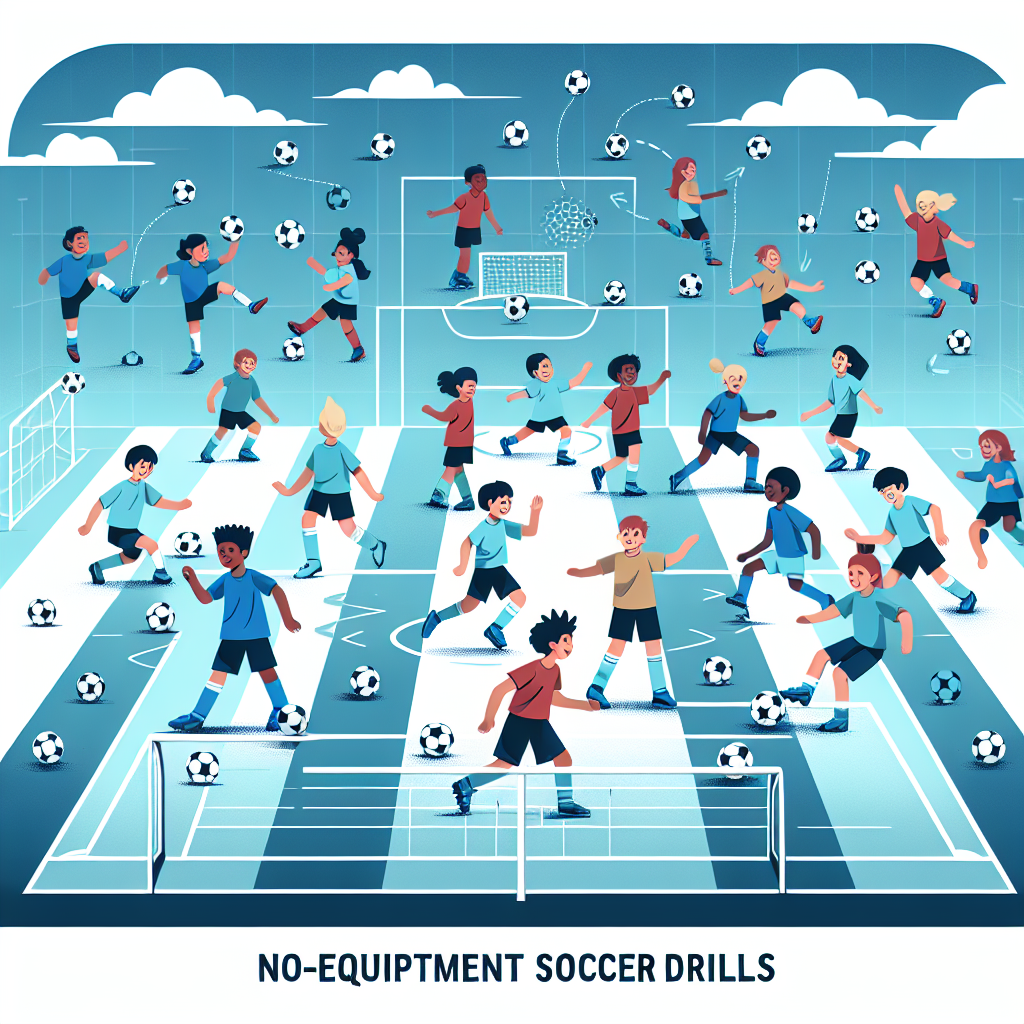
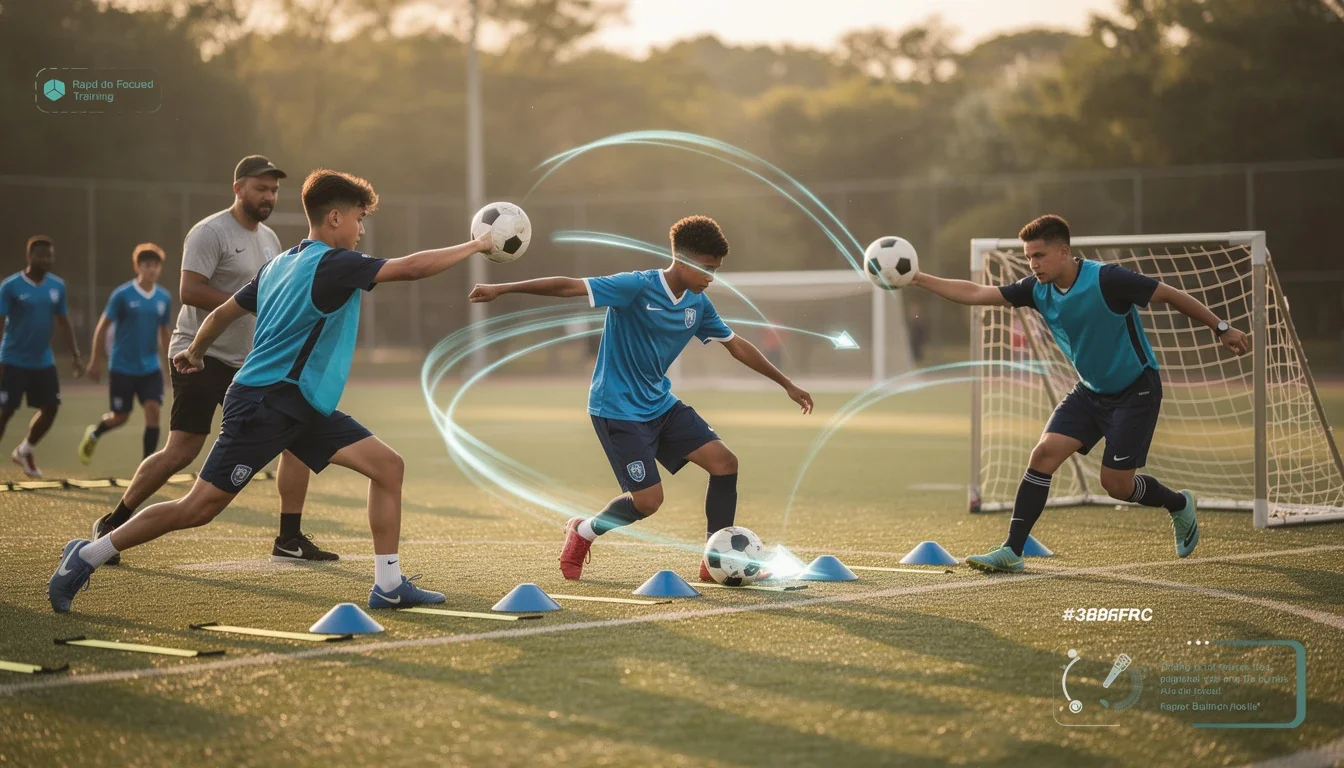
Soccer Training App For Kids: Fixing Frustrating Home Practice

You set up cones in the yard, your child grabs a ball, and within 7 minutes the session has turned into random shooting, scrolling on a phone, or saying this is boring. Sound familiar? Parents tell me all the time that home training feels like nagging, not progress. The odd thing is, their kids love the game. The problem is the gap between wanting to improve and having a simple way to do it without constant parental coaching.
Why Home Soccer Practice Feels So Draining

Most parents start home training with good intentions: a few cones, a YouTube video, maybe an old drill from their own playing days. But kids today are used to instant feedback, clear levels, and visible progress in everything from school apps to video games. Random juggling in the backyard simply cannot compete. Without structure, even the most motivated young player will drift.
Research on motivation in youth sport consistently shows that kids stick with training when they feel three things: autonomy, competence, and connection. At home, they often get the opposite. You are telling them what to do, they are not sure if they are doing it well, and they do not feel part of a team. That is a recipe for resistance, sighs, and excuses.
A soccer training app for kids can fix a lot of this because it behaves more like a coach and less like a parent giving orders. Short videos, clear reps, and performance tracking give kids a sense of control and measurable improvement. Parents move from nagging to supporting in the background, which frankly makes family life much calmer.
The annoying thing is that many families give up on home practice right before it starts to work. The early chaos is not a sign that your child does not care; it usually just means the training plan is too vague, too long, or too adult-driven.
Pro tip: Aim for home training that feels more like finishing a level in a game and less like doing another set of chores.
Why This Problem Exists And Common Hidden Causes
Underneath the daily battles, there are a few patterns I see over and over. First, most kids have no clear target for a session. They just know they should get better at soccer. That is too abstract. Without a small, specific aim like 20 clean first touches or 3 successful wall passes in a row, they cannot tell if the work is worth it.
Second, time and attention are brutally fragmented. Homework, travel teams, screens, fatigue: it all piles up. A 45 minute backyard session sounds great in theory and fails in real life. In my experience, 10 to 15 minutes of focused work, four to five days per week, beats one heroic but inconsistent 60 minute grind.
Third, parents are often stressed about doing it right. Am I teaching the wrong technique? Are we focusing on the wrong skills for their position? That anxiety leaks into your voice and kids feel it. A structured soccer training app for kids like Performix reduces this uncertainty by providing curated drills, recommended rep counts, and age appropriate progression.
Finally, there is a subtle but important cause no one talks about: boredom with repetition. Technical training is, by nature, repetitive. Without variety and visible progress data, kids perceive repetition as failure, not mastery. With proper tracking and progression levels, the exact same repetition suddenly looks like progress instead of punishment.
Comparing Approaches From DIY Drills To Guided Apps

Parents usually bounce between three main approaches. Some rely on old school DIY drills, passed down from coaches or personal experience. Others assemble playlists of random YouTube videos. Increasingly, families are experimenting with a dedicated soccer training app for kids that structures the whole experience. None of these options is perfect, and I have tried all three with players.
DIY can work if you have playing or coaching experience and the time to plan. But most people do not, and they end up repeating the same three drills forever. YouTube is fantastic for ideas but terrible for building a coherent training plan. Kids waste time searching, get distracted, and stop halfway because there is no built in accountability.
This is where an app built for youth players starts to make practical sense. A tool like Performix creates short, level based sessions, gives clear video demonstrations, and records reps so kids can see their own data over weeks and months. Honestly, this is my favorite approach for busy families because it solves the planning problem and the motivation problem in one shot.
Well, almost. You still need to decide how you want to blend technology with your own involvement. Some parents want to stand back and let the app run the show. Others like to watch a few sessions to gether and offer occasional feedback. Both can work if you keep sessions short, specific, and consistent.
Pro tip: Whichever method you choose, commit to a four week experiment before judging the results; most kids need a few weeks to settle into a new rhythm.
- DIY drills: high flexibility, low structure, depends heavily on parent expertise.
- YouTube playlists: huge variety, but weak progression and easy distraction.
- Soccer training app for kids: built in plans, clear videos, progress tracking.
- Hybrid approach: app driven core plus occasional custom drills or fun games.
Step By Step: Using Performix To Fix Home Training
If you want one simple plan, here is the method I usually recommend. Start by sitting down with your child for five minutes and asking what they want most from training. Better first touch, more confidence on the ball, stronger shot. Whatever they say, that becomes your first four week focus in the app.
Next, in Performix, select a beginner or intermediate plan that matches that goal. For a player ages 8 to 12, I typically like three sessions per week at 10 to 15 minutes each. Older competitive players can handle four or five. The key is to schedule exact days and times, just like a practice, and actually put them on the family calendar.