Advanced Youth Soccer Drills At Home For Serious Development
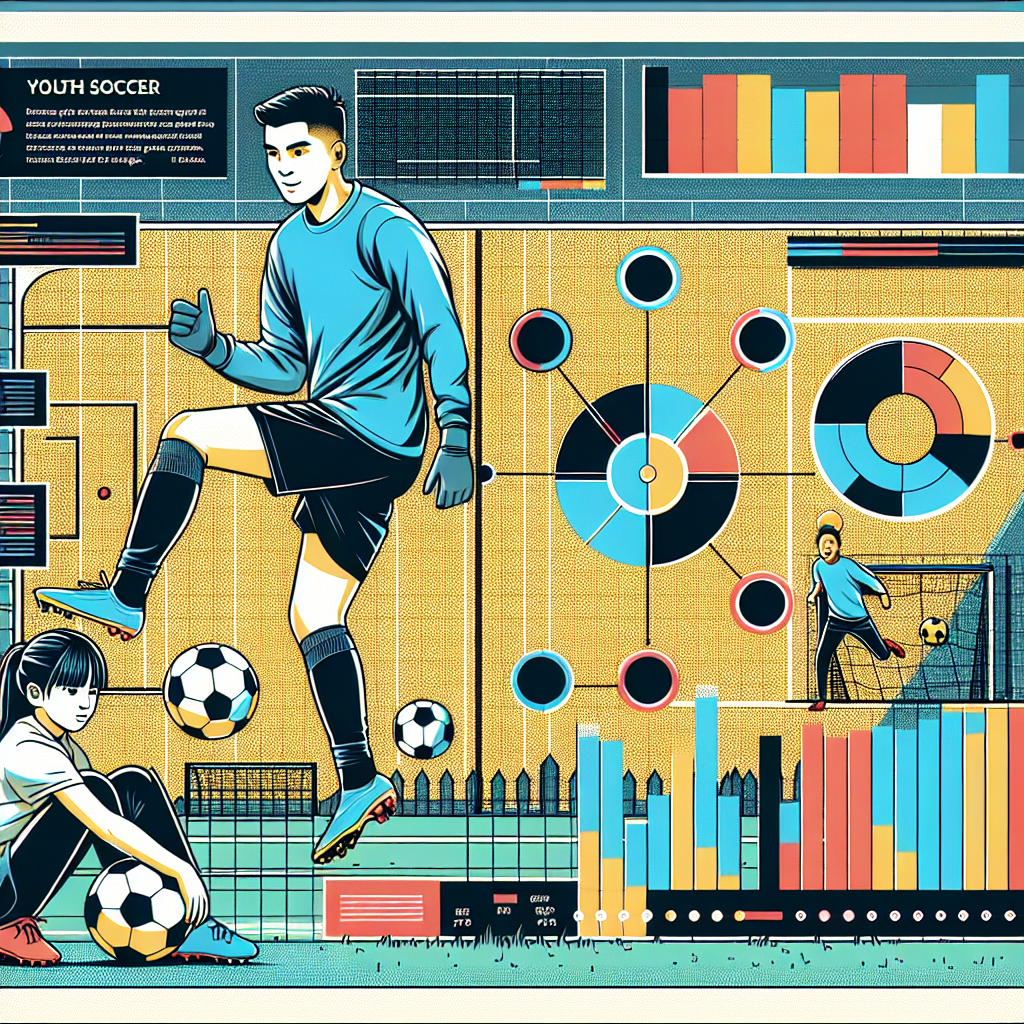
If you are reading about advanced youth soccer drills at home for serious development, you are probably already beyond cones in a straight line. The problem I keep seeing is this: players work hard in the garage or driveway, yet their match impact barely changes. Touch looks cleaner in isolation, but under pressure, the same rushed decisions and weak duels show up. That gap between solo training and real match demands is exactly what we are going to close.
Design home drills around real match constraints
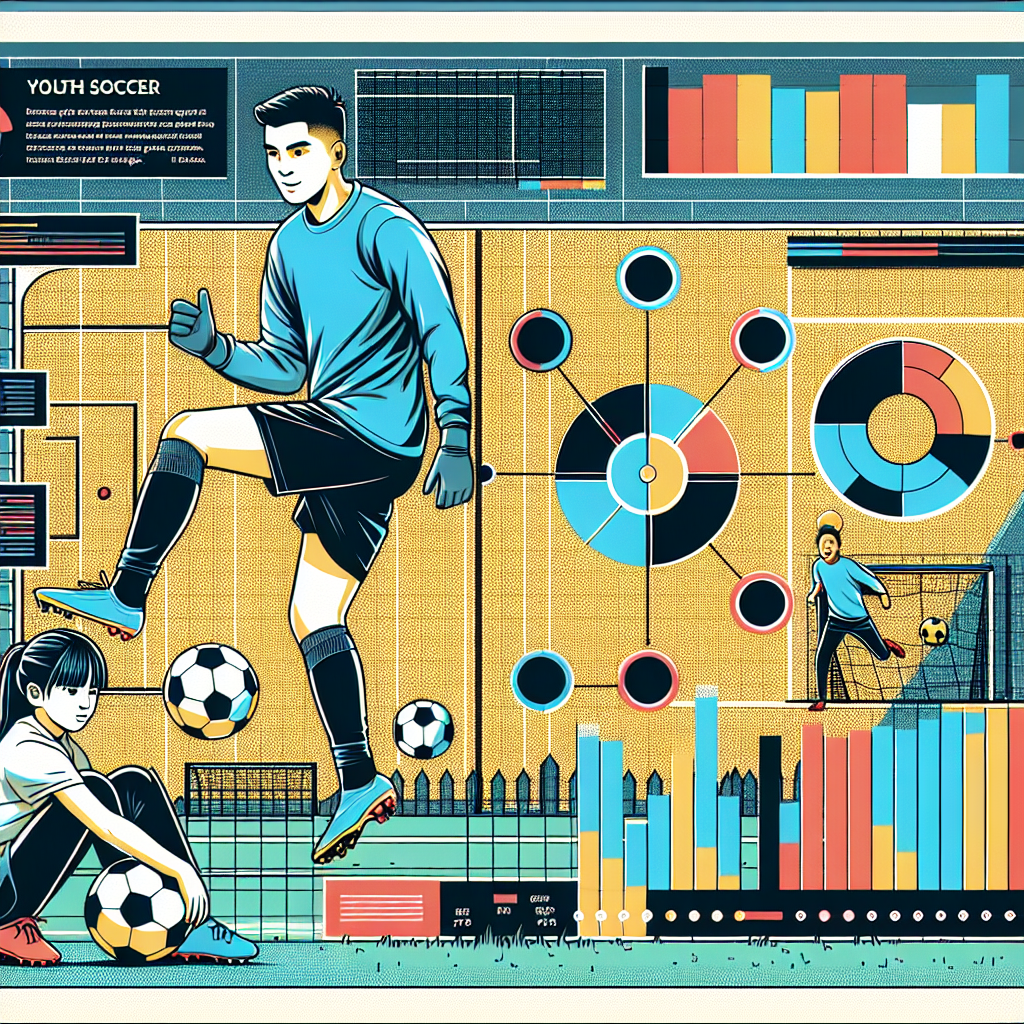
You probably already know how to build clean technical reps, but the thing most people miss is constraint design. At home, players default to comfortable touches and predictable patterns. Real football is nothing like that. If you want advanced youth soccer drills at home for serious development, you need to reverse engineer match situations into tiny, compressed constraints that force better decisions, not just prettier technique.
Start from game problems, not from drills. For example, a winger who loses the ball under pressure should train two touch sequences in a three meter square with aggressive time caps. Ball must be received across the body, protected, and released to a mini target in under 1.5 seconds. No defender is needed if you use harsh constraints like small space, weak foot only, and strict time. The constraint becomes the defender.
I have found that the annoying thing about home training is how quickly it drifts into tick tock tricks. Fun, sure, but not transfer. Instead, pair every drill with one match situation label such as escaping pressure on first touch or preparing ball for fast switch. If you cannot name the situation, the drill is probably fluff.
A simple comparison I often use with players is whether their home work feels easy to film or slightly chaotic and messy. The messy ones, where the ball occasionally ricochets into the bushes, are usually closer to match truth. That controlled chaos is where serious development happens.
- Pro tip: Time every constrained drill and track best successful rep, not just completion.
Pro tip: Tie every home drill to one clear match situation and a strict time or space constraint so training pressure mimics real opponents.
Drive scanning, deception, and decision speed indoors
Technical players hit a ceiling when they stop training perception. You can do thousands of touches in the garage and still play with your head down. Advanced youth soccer drills at home for serious development must hardwire scanning and deception to gether with the ball work, even in tight indoor spaces.
One of my favorite constraints is silent calls. Player works in a two by two meter box with a wall or rebounder. A parent or sibling stands behind, calling colors or numbers held up silently. The player must scan before every receive and shout the value while executing a predetermined pattern, for example inside outside touch into wall pass, open up with the far foot, then reset. If the shout is late or wrong, the rep does not count.
You can stress deception without a live defender too. Use tape on the floor to mark a central lane and two wide lanes. The player shapes as if playing to one lane, then at the last possible moment pushes the ball into another lane while maintaining speed. The goal is late information, early preparation. It is tougher than it sounds, especially on the weaker side.
I am not completely sure where the perfect balance is between scripted and random stimuli, but in most homes, just adding one unpredictable element already separates serious work from generic juggling. And once the player can do this in the living room under time pressure, pitch scanning suddenly feels slower and easier.
Blend ball mastery with strength and power micro blocks

Most families separate conditioning from technical work. That is a mistake if we are targeting advanced youth soccer drills at home for serious development. Match fatigue is not just about lungs. It is about trying to receive and release under neuromuscular fatigue, when fine control is compromised. So train that exact scenario at home, on purpose.
I like to use three to six minute micro blocks: thirty seconds of intense technical work, then fifteen to twenty seconds of strength or power, repeat. For example, thirty seconds of high tempo toe taps and V pulls, then fifteen seconds of loaded split squats or jump squats, immediately back into tight touches. The quality target is simple: last technical set should look almost identical to the first on video.
Players who already live in the gym might think this is overkill, but the advantage is specificity. You are not just getting stronger; you are building the ability to stabilize the ball after acceleration, hit clean passes under leg burn, and win second balls with half a yard of space. These mixed drills typically expose asymmetries fast. Left leg power collapse? Film shows it clearly in the last thirty seconds.
You can scale load safely with resistance bands, light dumbbells, or even a weighted backpack. I get a little frustrated when I see advanced players still doing slow, casual cone work at home. When you combine sharp ball work with targeted lower body strength like this, fifteen focused minutes can honestly rival a full session, similar in spirit to short daily soccer training sessions that are structured with intent.
Simulate duels, aerials, and chaos without full space
Home training usually ignores contact and aerials, yet match impact for serious players is heavily driven by duel quality. The question is how to design advanced youth soccer drills at home for serious development that stress these factors without wrecking the living room. You will not perfectly mimic a center back battle, but you can get surprisingly close on the physical and timing side.
For ground duels, I use resistance and offset balance. Attach a resistance band around the waist anchored behind the player. They must receive a driven ball against a wall, pivot, and drive forward across a taped line while the band is pulling them back. The cue is low center of gravity and arm positioning as if you were shielding an opponent. It is not glamorous, but after four to five intense sets, duel mechanics improve.
For aerial timing, a simple tennis ball or small foam ball is enough. Throw the ball up at varied trajectories so the player must judge flight, adjust footwork in micro steps, and meet it at peak with forehead or volley. The key is late correction, small steps, not huge lunges. I have seen players massively improve aerial consistency just by hammering this for ten minutes three times per week.