The Parent Guide to Youth Soccer Development

Soccer is more than just a game—it's a gateway to lifelong skills, friendships, and confidence for kids. As a parent, watching your child run onto the field with excitement and determination is rewarding, but it can also raise questions: How can I best support their growth? What do they need to thrive as young athletes? With busy schedules and a constant stream of advice, it can feel overwhelming to navigate the world of youth soccer. That's why we've put to gether this comprehensive guide to help you understand each step of your child's soccer development, all while balancing convenience, safety, and fun.
Understanding the Youth Soccer Journey

Every soccer player starts somewhere—often with a ball at their feet in the backyard or at a local park. But as your child grows, their needs and the game's demands evolve. Youth soccer development isn't just about mastering dribbling or scoring goals; it's about nurturing physical, social, and emotional growth.
For children ages 8–18, the journey can be broken down into key phases. Early years focus on fostering a love for the game and building basic motor skills. As they mature, kids start to specialize, developing technical abilities and tactical awareness. By the teenage years, some players pursue higher competition, while others play for fitness and connection.
Throughout this journey, the right support makes all the difference. Encouragement, positive reinforcement, and access to structured, age-appropriate training help kids stay motivated and confident. It's also important to recognize that every child develops at their own pace—progress isn't always linear, and setbacks are part of the process.
Pro tip: Celebrate effort and improvement, not just wins or goals. Building resilience and a growth mindset will serve your child both on and off the field.
Creating a Positive Soccer Environment
The environment your child trains and plays in shapes their attitude toward soccer. A positive, supportive environment helps kids feel safe to take risks, learn from mistakes, and express themselves fully.
Start by modeling good sportsmanship and emphasizing fun over results. Whether it's rec league or travel soccer, focus on enjoyment and inclusivity. Kids who feel pressured to perform or fear criticism are more likely to burn out or lose interest.
Establish open communication with your child about their soccer experience. Ask what they enjoy, what challenges they're facing, and how you can support them. Encourage friendships with teammates and respect for coaches and referees. When setbacks occur—like a tough loss or missed opportunity—reassure your child that mistakes are a natural part of learning.
Consider safety as well. Make sure your child has the right gear, stays hydrated, and takes time to rest. If you're juggling multiple commitments, look for programs and tools that offer flexibility and prioritize your family's schedule.
Pro tip: Try incorporating family soccer nights or friendly backyard games. These low-pressure moments build connection and show your child that soccer is about enjoyment, not just competition.
Building Skills: Structure and Consistency

Skill development in soccer is all about consistent, purposeful practice. While team training provides a foundation, many young players need additional structure and repetition to truly improve. That's where individualized training plans—like those offered by the Performix app—can make a real difference.
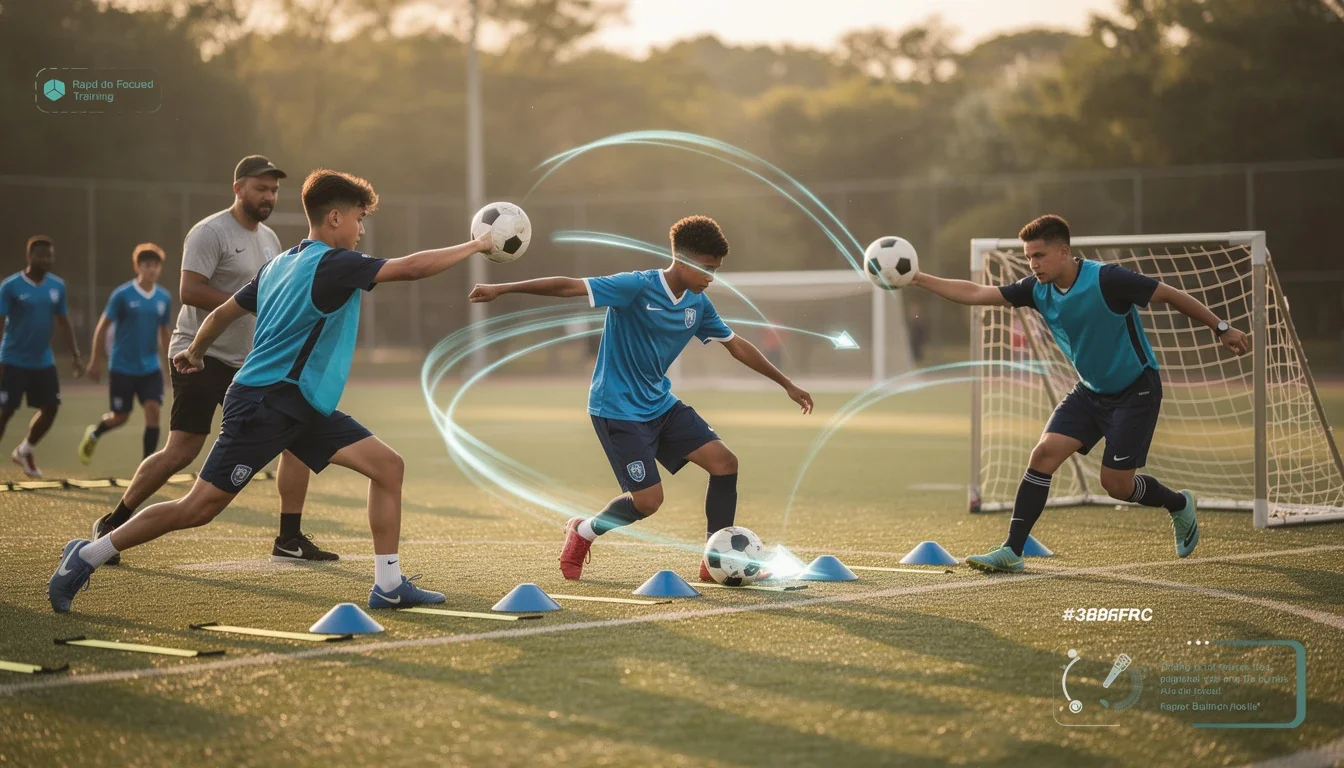
Structured training ensures kids focus on the right drills at the right time. For younger players, this might mean mastering dribbling, passing, and shooting basics. As they progress, sessions can introduce tactical concepts, agility work, and mental training. Video-guided drills and progress tracking help kids stay engaged and motivated, turning practice into a rewarding habit.
Consistency is key. Encourage your child to set aside regular time for training, even if it's just 15 or 20 minutes a few times a week. This routine builds discipline and helps skills stick. Importantly, be mindful not to overload your child—balance focused practice with free play and downtime.
Pro tip: Use a visual progress chart or app tracker so your child can see their improvement over time. Tangible results boost confidence and reinforce the value of effort.
Navigating the Competitive Landscape
As your child moves through youth soccer, you may encounter a variety of leagues, clubs, and training opportunities. With so many choices, it's natural to wonder which path is best.
First, consider your child's goals and temperament. Some kids thrive in competitive, high-pressure environments, while others prefer a more relaxed, social approach. Ask your child what excites them about soccer and what they'd like to achieve. Remember, there's no single "right" path—success looks different for every player.
If your child expresses interest in competitive soccer, research programs carefully. Look for clubs with qualified coaches, a development-focused philosophy, and a proven record of supporting player well-being. Beware of programs that prioritize winning above all else or promise shortcuts to success.
Balancing competition with enjoyment is crucial. Even in elite environments, fun and personal growth should remain priorities. Make sure your child has opportunities to try new positions, develop leadership, and form friendships.
Pro tip: Attend a few practices or games before committing to a new team or program. Observe the coaching style, team culture, and how players interact. Trust your instincts—if the environment feels supportive and aligned with your family's values, it's likely a good fit.
Supporting Mental and Emotional Well-being
Soccer development isn't just physical—it's deeply tied to mental and emotional growth. Young athletes face pressures from school, social life, and competition, which can impact their enjoyment and confidence.
Help your child manage stress by encouraging open communication. Let them know it's okay to talk about nerves, disappointments, or frustrations. Teach them to view setbacks as learning opportunities, not failures.
Model healthy attitudes toward competition. Praise effort, sportsmanship, and teamwork, rather than focusing solely on results. If your child feels overwhelmed or anxious, remind them that their worth isn't defined by performance on the field.
Encourage balance. Make space for other interests and downtime, so soccer remains a source of joy, not stress. If you're using tools like Performix, use progress tracking as a way to highlight growth rather than pressure for perfection.
Pro tip: Occasionally ask your child what they love most about soccer. Their answers may surprise you and remind both of you why the game matters.
Embracing Technology for Smarter Development
Technology can be a powerful ally in youth soccer development, offering convenience and structure for busy families. Apps like Performix provide video-guided drills, personalized plans, and progress tracking—all accessible anytime, anywhere.
For parents, this means you don't have to be a soccer expert to support your child. You can trust that they're following professional guidance tailored to their age and skill level. It also makes it easy to fit practice into your family's routine, whether it's after school, on weekends, or during a spare 20 minutes.
Using technology also empowers kids to take ownership of their development. They can revisit drills, track their achievements, and set their own goals. This autonomy builds confidence and motivation, making practice something they look forward to.
Of course, balance is important. Encourage screen time that’s active and purposeful, and complement app training with real-world play and team experiences.
Pro tip: Set a weekly family check-in to review your child's progress and celebrate milestones to gether. This keeps motivation high and reinforces your support.
Conclusion
Supporting your child's soccer journey is about more than just cheering from the sidelines—it's about providing the right environment, resources, and mindset to help them thrive. By focusing on structured development, open communication, and balanced competition, you'll help your child build skills and confidence that last a lifetime. With tools like Performix, it's easier than ever to fit quality training into your busy life, ensuring soccer remains a source of joy and growth for your whole family. Remember, every player's path is unique—trust the process, celebrate the small victories, and enjoy the journey to gether.