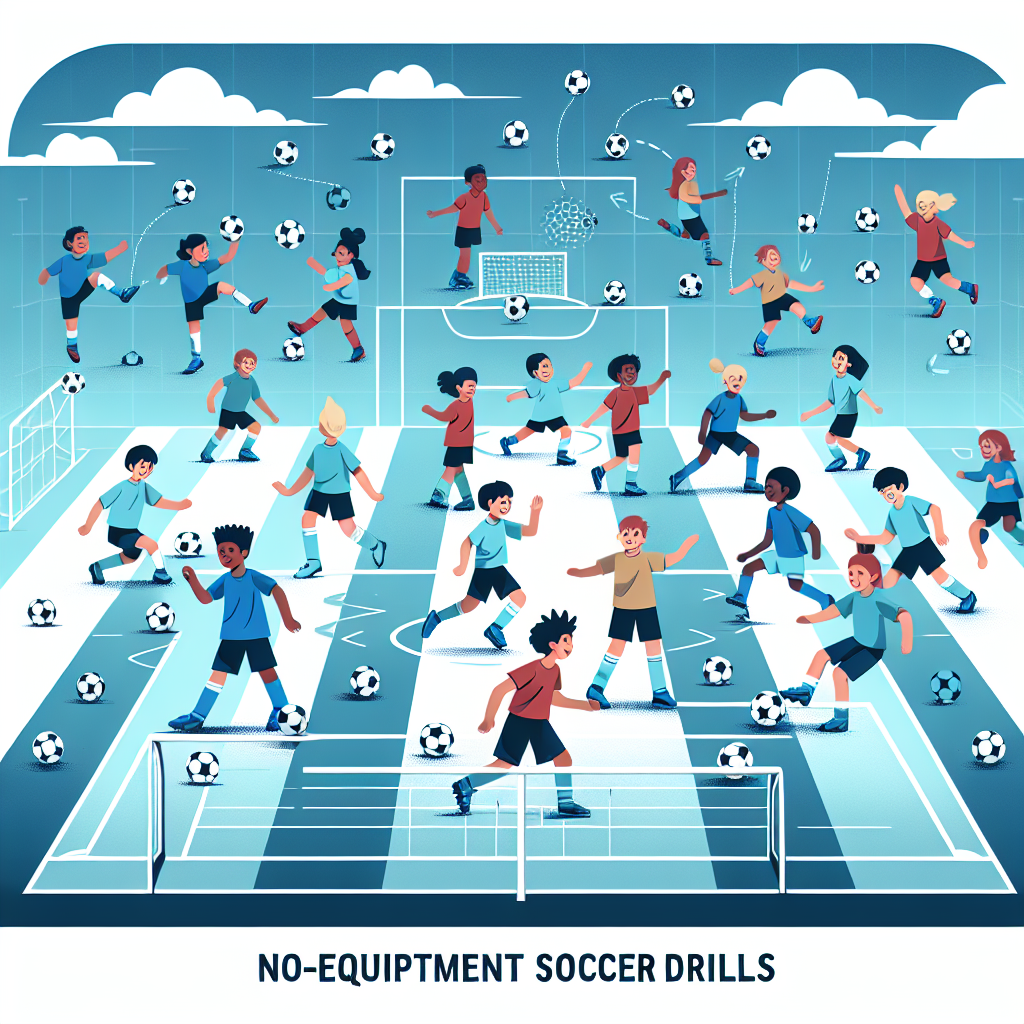
Ball Mastery Drills for Youth Soccer Players: Building Skills with Confidence

If you’re a parent searching for ways to help your child get ahead in soccer, you’ve probably heard about the importance of “ball mastery.” But what does it really mean—and how do you know if your young player is practicing the right drills? At Performix, we believe that mastering the basics is the fastest way to see growth, boost confidence, and set the stage for lifelong enjoyment of the game. With the Performix app, your child can learn at their own pace, following expert-guided drills that are fun, effective, and easy to fit into your family’s busy routine.
Why Ball Mastery Matters

Ball mastery is the foundation of soccer skill. It’s all about developing a close relationship with the ball—being able to control, manipulate, and move it confidently with both feet. For youth players, especially those between the ages of 8 and 18, honing these skills early makes a huge difference. It leads to better dribbling, smoother passing, and the creativity that separates good players from great ones.
Many parents notice that without structured practice, kids can get stuck at a plateau. That’s where ball mastery drills come in. These exercises break down complex moves into simple, repeatable actions. By practicing consistently, young players develop muscle memory, faster footwork, and the kind of control that makes them stand out on the field.
Pro tip: Short, focused sessions (10–15 minutes) several times a week are more effective than occasional, longer practices. Consistency leads to real progress!
Essential Drills for Every Young Player
So, what does ball mastery look like in action? At Performix, we recommend starting with a handful of tried-and-true drills. These are suitable for all ages and can be done in small spaces, indoors or outdoors—no fancy equipment required.
1. Toe Touches: Standing in place, tap the top of the ball quickly with the bottom of each foot, alternating sides. This warms up the feet and builds coordination.
2. Foundations (Bell Taps): With knees bent, use the inside of each foot to tap the ball back and forth quickly. Focus on rhythm and keeping the ball under control.
3. Pull-Push: Place one foot on the ball, pull it back, then push it forward with the same foot—repeat and switch sides. This drill helps with changing direction and controlling pace.
4. Inside-Outside Dribble: Using one foot, tap the ball with the inside, then the outside, moving it side to side. Switch feet to practice both sides equally.
5. Sole Rolls: Roll the ball side-to-side using the sole of your foot. This encourages balance and subtle ball movement.
These drills aren’t just about repetition—they’re about building confidence. As your child improves, encourage them to increase speed, add variations, or create their own sequences. The key is to keep it engaging and challenging.
Pro tip: Turn drills into games by setting timers or counting reps. This keeps kids motivated and makes practice feel like play.
Progression: Making Drills Fun and Challenging

Kids learn best when they’re having fun, so it’s important to keep things fresh. Ball mastery drills should evolve as your child’s abilities grow. Here are some ways to ramp up the challenge:
- Add Movement: Start by doing drills while standing still, then introduce movement. For example, try toe touches while moving forward or sideways.
- Use Both Feet: Encourage players to practice equally with their non-dominant foot. This builds balance and versatility.
- Incorporate Obstacles: Set up cones, shoes, or other safe objects to dribble around. Navigating obstacles sharpens spatial awareness and close control.
- Introduce Time Limits: Challenge your child to complete a certain number of touches or dribbles in 30 seconds. This adds excitement and encourages speed.
The Performix app includes built-in progressions and video demonstrations so kids can see exactly how to perform each drill, then track their improvement over time. Structured challenges and virtual rewards keep motivation high, even on busy days.
Pro tip: Celebrate small wins. If your child beats their previous record or masters a tricky move, take a moment to cheer them on. Positive reinforcement is a powerful motivator!
Creating a Safe and Supportive Practice Environment
Safety is top of mind for every parent, and practice should always be a positive experience. When setting up for ball mastery drills, choose a safe, flat surface with enough room for movement. Clear away obstacles and make sure your child is wearing comfortable gear and proper footwear.
It’s important to encourage effort and progress rather than perfection. Every player learns at their own pace, and mistakes are part of the journey. If your child is struggling with a particular drill, break it down into smaller steps, or try a different variation to keep frustration at bay.
With the Performix app, players can practice anytime, anywhere—at home, in the backyard, or even during breaks at the park. Video-guided drills help ensure correct technique, reducing the risk of injury and building good habits from the start.
Pro tip: Practice alongside your child when possible. It’s a fun way to bond, model positive attitudes, and show that learning new skills is a lifelong process.
Building Confidence Through Progress Tracking
One of the biggest challenges for young athletes is staying motivated, especially when improvement feels slow. That’s why tracking progress is so valuable. When kids can see tangible results—more touches, faster footwork, or smoother moves—they’re more likely to stick with their training.
The Performix app makes this easy. After each session, players can log their drills, set goals, and watch their stats improve. This sense of accomplishment builds confidence, both on and off the field. Parents can check in on their child’s progress, offer encouragement, and celebrate milestones to gether.
Structured progress tracking helps prevent burnout and keeps practice purposeful. Rather than just “kicking the ball around,” your child will know exactly what they’re working on and how far they’ve come.
Pro tip: Set achievable weekly goals to gether, like mastering a new drill or increasing reps. Reviewing progress at the end of the week gives your child a sense of ownership and pride.
Making Ball Mastery Part of Everyday Life
Busy schedules can make it tough to fit in extra practice. The good news is, ball mastery drills are flexible and don’t require hours at a time. Just a few minutes in the living room, backyard, or driveway can make a noticeable difference.
Encourage your child to weave practice into their daily routine. Maybe it’s ten minutes before dinner, or a quick session after homework. Consistency is key, and the Performix app makes it easy to follow along, even on hectic days.
Ball mastery drills aren’t just for solo practice, either. Invite siblings or friends to join in, turn drills into friendly competitions, or challenge the whole family to a “skills showdown.” Making practice social and light-hearted helps kids stay engaged and look forward to their next session.
Pro tip: Keep a soccer ball handy in common areas—by the door, in the garage, or even in the car. The more accessible it is, the more likely your child will pick it up for a quick touch or two.
Conclusion
Ball mastery drills are the building blocks of soccer skill—and the key to unlocking your child’s confidence and creativity on the field. With structured, age-appropriate practice, young players develop the control and agility that set them apart. At Performix, we’re passionate about making this journey convenient, safe, and fun for families. The Performix app brings expert guidance, personalized plans, and progress tracking right to your fingertips, so your child can grow at their own pace—no matter how busy life gets.
Remember: every superstar starts with the basics. By making ball mastery a regular (and enjoyable) part of your child’s routine, you’ll be giving them the tools to shine—both on and off the pitch.