Beginner Soccer Training for Kids: A Parent’s Guide to Fun and Progress

Soccer is more than just a game; it’s a gateway to fitness, confidence, and lifelong friendships. If your child is showing an interest in soccer, you might be wondering how to get them started, especially if you’re juggling work, family, and a busy schedule. The good news is, beginner soccer training for kids doesn’t have to be complicated or overwhelming. With the right approach—and a little help from tools like the Performix app—you can give your child a safe, supportive, and structured introduction to the world’s most popular sport. Let’s explore how you can make soccer training fun, effective, and manageable for your young athlete.
Why Soccer?

The Benefits for Young Kids
Soccer is a fantastic choice for kids, and not just because it’s fun to kick a ball around. It’s a sport that develops physical skills, social connections, and mental resilience—all in one package. For parents, soccer offers a healthy outlet for energy, teaches teamwork, and helps kids build self-esteem through gradual improvement.
Kids ages 8 to 18 are at a prime time for learning new skills and developing good habits. Soccer training encourages cardiovascular health, coordination, and agility, while also reinforcing concepts like discipline and goal setting. And since soccer can be played almost anywhere, it fits easily into busy family routines.
Pro tip: The best soccer experiences start with positivity. Celebrate small wins—like a well-aimed pass or a great attitude—even more than winning the game.
First Steps: Building a Strong Foundation
Before diving into complex drills or competitive games, it’s important to focus on the basics. Beginner soccer training should prioritize fun and safety, helping kids fall in love with the sport at their own pace.
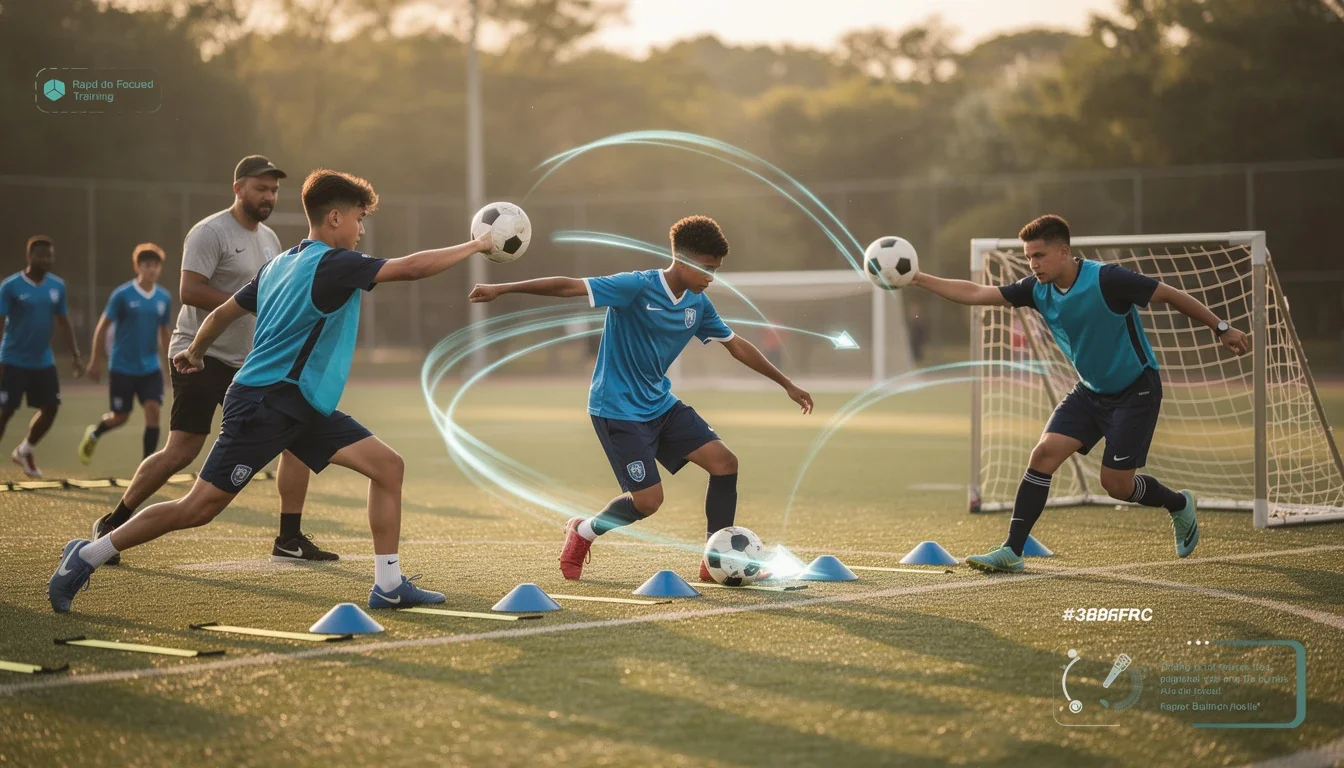
Start with simple activities that develop balance, coordination, and comfort with the ball. At this stage, dribbling, light passing, and basic shooting are key. Encourage your child to explore different ways to move with the ball—using the inside, outside, and sole of their foot. Keep sessions short and upbeat, aiming for 20–30 minutes a few times a week. If you’re using the Performix app, you’ll find video-guided drills that make these fundamentals clear and engaging, even if you’re not a soccer expert yourself.
Safety matters, too. Make sure your child has the right shoes, shin guards, and a safe space to play. Remind them to warm up and cool down, and always listen if they mention discomfort or pain.
Pro tip: Create a “soccer starter kit” with a ball, cones, and a water bottle. This small investment helps kids feel prepared and excited for every session.
Making Training Fun and Motivating

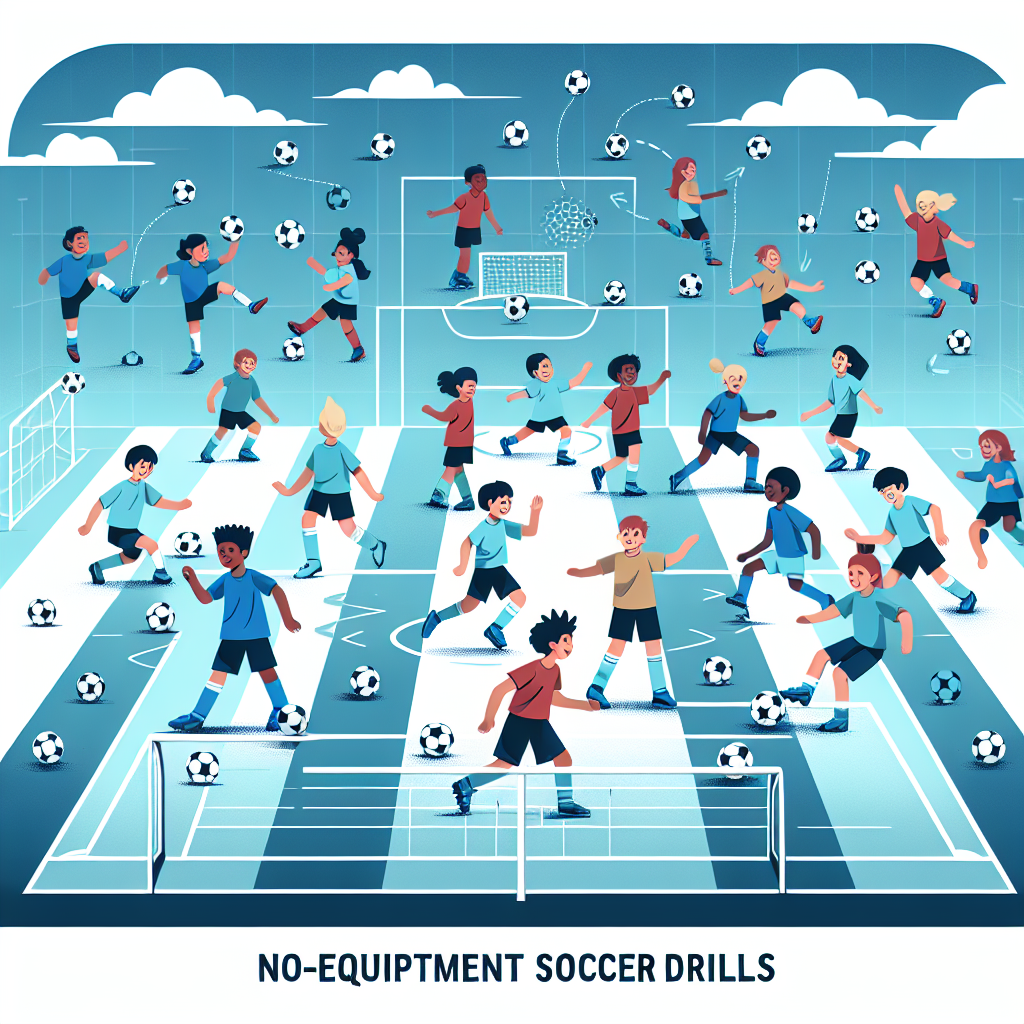
Kids learn best when they’re having fun. That’s why the most effective beginner soccer programs weave play and progress to gether. Games like “red light, green light” with the ball, obstacle courses, or friendly one-on-ones keep energy high and boredom at bay.
Set achievable goals that your child can work toward. Maybe it’s mastering five consecutive toe taps, or making ten accurate passes in a row. Use positive feedback and encouragement—especially when things get tricky. Remember, early challenges are a normal part of the learning process.
Performix makes it easy to keep things fresh. With a library of age-appropriate drills and activities, you’ll never run out of ideas. Plus, the app’s progress tracking lets your child see their improvement over time, which is a huge motivator.
Pro tip: Let your child choose a new skill or game to focus on each week. Giving them ownership boosts motivation and fosters curiosity.
Structured Development: The Power of a Plan
As your child gets more comfortable with the basics, you’ll want to introduce structure to their training routine. A well-designed training plan doesn’t just improve skills—it builds confidence and helps prevent burnout.
Start by mixing skill work with free play. For example, a session might begin with dribbling drills, move into passing games, and finish with a short scrimmage or freestyle playtime. This balance keeps training enjoyable while steadily increasing your child’s abilities.
Performix personalizes training plans based on your child’s age, skill level, and goals. The app’s step-by-step approach ensures that they’re always working at the right level—not too easy, not too hard. And because every session is guided by clear instructions and video demonstrations, you can relax knowing your child is learning correct technique, even if you’re not a soccer coach yourself.
Pro tip: Stick to a regular schedule, but stay flexible. Life gets busy, and missing a session here and there won’t derail progress. Consistency matters more than perfection.
Balancing Soccer with School and Life
One of the challenges busy parents face is fitting soccer training into an already full calendar. The good news? Beginner training sessions don’t have to be long or complicated to be effective.
Aim for short, focused sessions—20 to 30 minutes is plenty for most kids. Early mornings, after school, or weekends can all work, depending on your family’s routine. If you’re not able to join in every time, encourage your child to use Performix’s built-in guidance for safe, independent practice. The app’s progress tracking also helps you stay involved, even if you’re cheering from the sidelines.
Above all, remember that soccer is just one part of your child’s development. Encourage plenty of rest, free play, and time with friends. If your child starts to feel stressed or fatigued, it’s okay to ease off. Soccer should add joy and confidence, not pressure.
Pro tip: Pair soccer practice with a family routine—like a healthy snack afterward or a chat about what your child enjoyed most. This creates positive associations and helps build long-lasting habits.
Supporting Your Young Player’s Journey
Getting started with soccer is just the beginning. As your child grows, their interests and abilities will evolve. Stay engaged by asking about practice, watching games to gether, or even joining in casual play. Your encouragement and support make a world of difference, especially on tough days.
Look for opportunities to connect with other soccer families or local teams if your child wants to expand their social circle. But remember, there’s no rush. Some kids thrive in group settings; others prefer solo practice with occasional group play. Let your child take the lead, and trust their pace.
Performix is designed to give both kids and parents confidence at every step. With video-guided drills, personalized plans, and easy progress tracking, you’ll have all the tools you need to help your child succeed—on the field and beyond.
Pro tip: Celebrate milestones—like completing a training plan or learning a new trick—with a small reward or a special family outing. Recognizing progress keeps motivation high and reinforces the value of hard work.
Conclusion
Starting your child’s soccer journey should be exciting, not overwhelming. By focusing on fun, fundamentals, and structured progress, you’ll help your young player develop skills that last a lifetime. With the right support—and a little help from the Performix app—your child can enjoy safe, convenient, and effective soccer training, no matter how busy life gets. Remember, every pass, goal, and smile is a step toward confidence and a love for the game that will serve them well, on and off the field.