How to Help Your Child Become a Better Soccer Player

Watching your child fall in love with soccer is one of those magical parenting moments. You see the passion in their eyes, the determination in their run, and the sheer joy when they score a goal. But as a parent, you also want to help them grow, improve, and thrive in the sport they love. The challenge? Finding practical, safe, and effective ways to support their development—without adding stress to your already busy schedule. At Performix, we know you want the very best for your child. That’s why we’ve put to gether this guide to help you turn their soccer dreams into real progress, all while keeping it fun and manageable for your family.
Building a Solid Soccer Foundation

The best soccer players start with a strong foundation. Before focusing on fancy moves or complex tactics, it’s crucial to help your child master the basics: dribbling, passing, receiving, and shooting. These core skills are the building blocks of every great player, no matter their age or position.
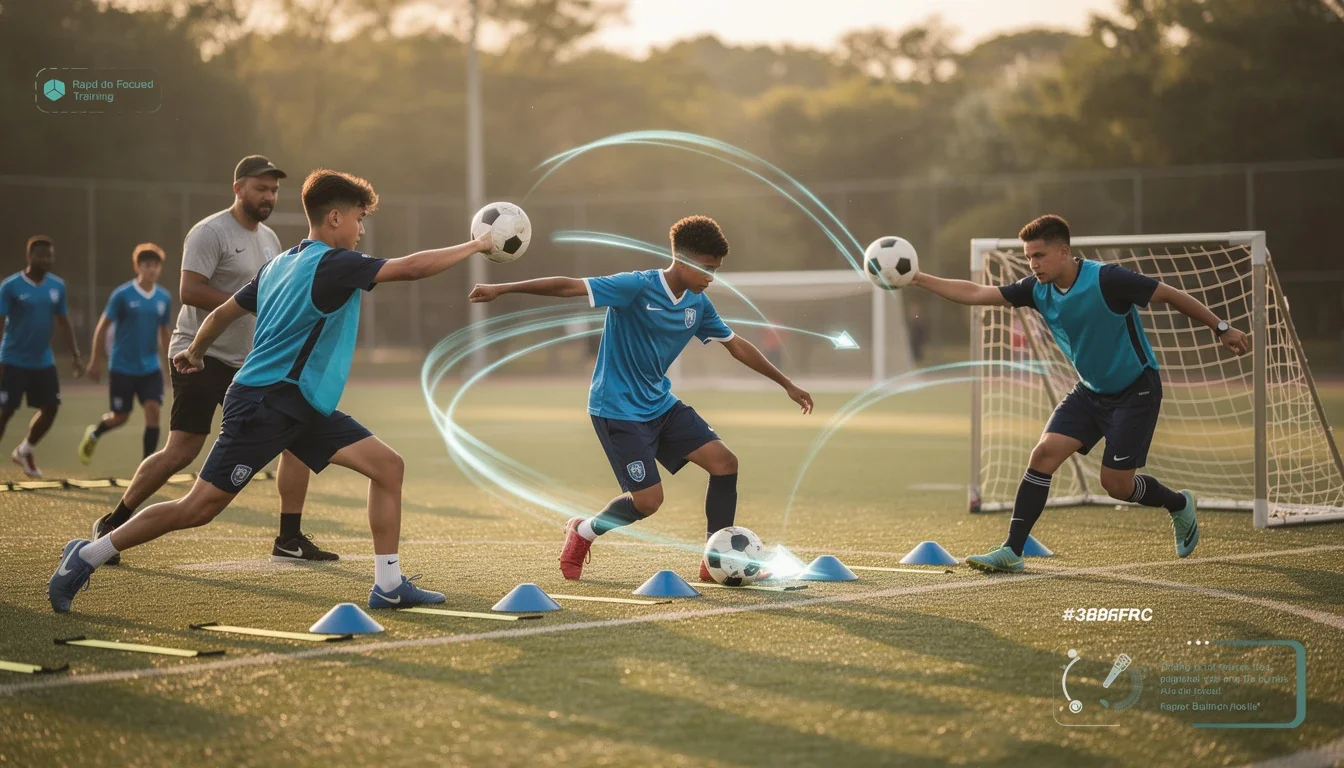
Children ages 8–18 are at the ideal stage to absorb these foundational skills. Consistent practice, even for just 15–30 minutes a few times a week, can make a huge difference. Encourage your child to practice ball control in the backyard or at a local park. Drills that emphasize quick touches, proper foot placement, and accurate passing will help them feel more confident on the field.
Pro tip: Keep training sessions short and focused. Kids are more likely to stay engaged and improve when they know exactly what to work on and for how long. Using a soccer training app like Performix provides clear video demonstrations and structured plans, so your child knows what to do every time they pick up the ball.
Making Practice Fun and Engaging
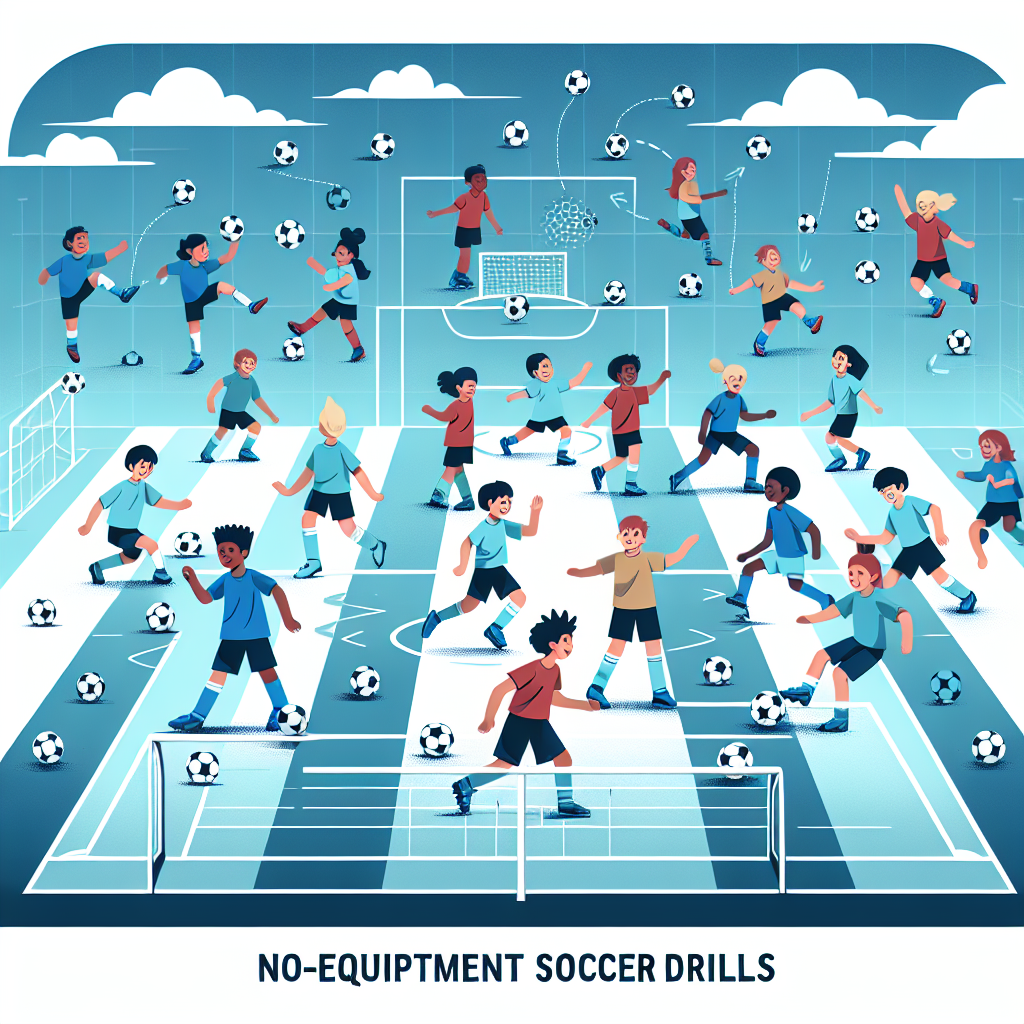
Motivation is everything, especially for young players. If practice feels like a chore, your child may quickly lose interest. That’s why it’s so important to keep things light, enjoyable, and varied. Mix up training with mini-games, challenges, and small rewards for progress. Invite friends or siblings to join in, turning solo drills into friendly competitions.
You don’t have to be a soccer expert to make practice engaging. Even simple games like “Simon Says” with ball skills or timed dribbling races can spark excitement. If your child enjoys technology, interactive training tools and video-guided drills can add a fresh twist to their routine. Apps like Performix make it easy for kids to follow along and see their improvement over time, which can be incredibly motivating.
Pro tip: Celebrate small wins—whether it’s mastering a new move or shaving a few seconds off a dribbling drill. Positive reinforcement keeps kids eager to learn and try new things.
Providing Structure and Setting Goals

Kids thrive with a little structure. When they know what to expect, they’re more likely to stick with their training and see real progress. Start by helping your child set clear, achievable goals. For younger players, this could be as simple as “practice juggling for five minutes” or “pass the ball against the wall 20 times without losing control.” For older or more advanced players, goals might include mastering a specific dribbling pattern or improving their weak foot.
Track their progress to gether—weekly check-ins can be a great way to see how far they’ve come and where they want to go next. Many parents find that using a soccer training app that offers personalized plans and progress tracking takes the guesswork out of practice. It also helps keep both you and your child accountable, so training doesn’t fall through the cracks on busy days.
Pro tip: Break big goals into smaller milestones. Achieving these mini-goals builds confidence and creates a sense of momentum that keeps kids moving forward.
Balancing Training and Rest
It’s easy to get carried away with extra practices and weekend tournaments, especially if your child is enthusiastic. But rest and recovery are just as important as training. Young bodies need time to grow, repair, and recharge. Overtraining can lead to burnout, injuries, and a loss of love for the game.
Help your child maintain a healthy balance by scheduling regular days off from soccer. Encourage other activities—whether it’s riding bikes, swimming, or just relaxing with friends. Make sure they’re getting plenty of sleep and eating nutritious meals to fuel their play and recovery.
If your child is juggling school, other sports, and soccer, a structured training plan can help you make the most of limited time while avoiding overload. Apps with built-in rest days and reminders can make it easy to ensure your child stays healthy and happy.
Pro tip: Listen to your child. If they’re feeling tired or unmotivated, take a break from structured practice and let them lead the way. Sometimes a little downtime is all it takes to reignite their passion.
Creating a Safe Training Environment
Safety is always a top priority, especially for parents. You want your child to push themselves, but not at the expense of their well-being. Make sure your child trains in a safe space—free of obstacles, with adequate lighting and a soft playing surface. Proper gear is essential too: well-fitted shoes, shin guards, and comfortable clothing can prevent many common injuries.
When practicing new skills, especially more advanced moves, supervision can be helpful. Watch for signs of fatigue or frustration and offer support as needed. If your child is using a training app, choose one with age-appropriate content, clear instructions, and safety reminders.
Don’t forget the emotional side of safety. Soccer should be a source of confidence and joy, not anxiety or pressure. Encourage effort over perfection and remind your child that mistakes are part of learning.
Pro tip: Before each session, do a quick warm-up to gether. Gentle jogging, stretches, and dynamic movements help prepare muscles and reduce the risk of injury.
Supporting Your Child’s Soccer Journey
Your involvement and encouragement mean the world to your child. Show interest in their progress by asking about their favorite drills, watching their games, or even kicking the ball around to gether. You don’t have to have a soccer background to be a great supporter—what matters most is your positive attitude and willingness to help.
If your schedule is tight, look for ways to integrate soccer practice into daily routines. Short training sessions before dinner or after homework can fit neatly into busy days. Lean on helpful tools like video-guided drills or progress trackers to maximize impact in minimal time.
Remember, the journey is just as important as the destination. The confidence, discipline, and resilience your child builds through soccer will serve them well on and off the field.
Pro tip: Share in your child’s excitement—celebrate progress, attend games when you can, and let them know you’re proud of their dedication, no matter the outcome.
Conclusion
Helping your child become a better soccer player doesn’t require endless hours on the field or expert coaching credentials. With the right foundation, engaging practice, clear goals, balanced rest, and a safe, supportive environment, you can empower your child to reach their potential—and enjoy every step of the journey. At Performix, we believe that with a little structure and a lot of encouragement, every young player can grow their skills, confidence, and love for the game. The best part? You’ll be right there cheering them on, every kick of the way.