Soccer Training for Ages 8-18: 5 Proven Tips Parents Can Trust

If you are serious about soccer training for ages 8-18, you already know the pattern. Huge enthusiasm at the start of the season, a few chaotic practices, then skills plateau while homework and screens quietly win. The annoying part is that most kids are not short on talent. They are short on smart structure. With a clear plan, even 15 minutes a day can move a player from average to confident, without parents turning into full time coaches.
Match training goals to each player age

The biggest mistake I see in soccer training for ages 8-18 is treating a fourth grader like a college prospect. An eight year old needs coordination, fun touches, and basic confidence with the ball. A fifteen year old needs position specific work, conditioning, and tactical awareness. When you blur those, kids either get bored or burned out. The sweet spot is to define one or two clear priorities for each age band and ignore the noise.
For younger ages 8 to 11, I like simple goals you can see in a weekend: first touch under control, dribbling in tight spaces, and basic passing technique. That is it. At 12 to 14, add weak foot training, simple combination play, and speed with the ball. By 15 to 18, you are layering real match situations, strength, and video review. A family I worked with in Ohio tracked just three metrics from ages 10 to 15 first touch, weak foot passes, and sprint speed. College coaches later commented on those exact strengths. Not because the kid was magical, but because the plan was boring and consistent.
Age band
Primary focus
Typical weekly load
8-11 years
Fun ball mastery and coordination
2-3 team sessions plus 2 short home sessions
12-14 years
Technique under pressure and decision making
3 team sessions plus 3 short home sessions
15-18 years
Position specific work and conditioning
4-5 sessions plus targeted extras
Pro tip: Pick one clear skill focus per 8 week block and track it in a simple notebook or app checkmarks, not essays.
Use short daily sessions instead of marathon workouts
Honestly, this is my favorite approach, especially for busy families. Long, exhausting sessions look impressive on social media but they rarely survive exam week or a new video game release. Short daily work does. Ten to twenty focused minutes a day keeps soccer training for ages 8-18 consistent without turning evenings into an endurance test for everyone in the house.
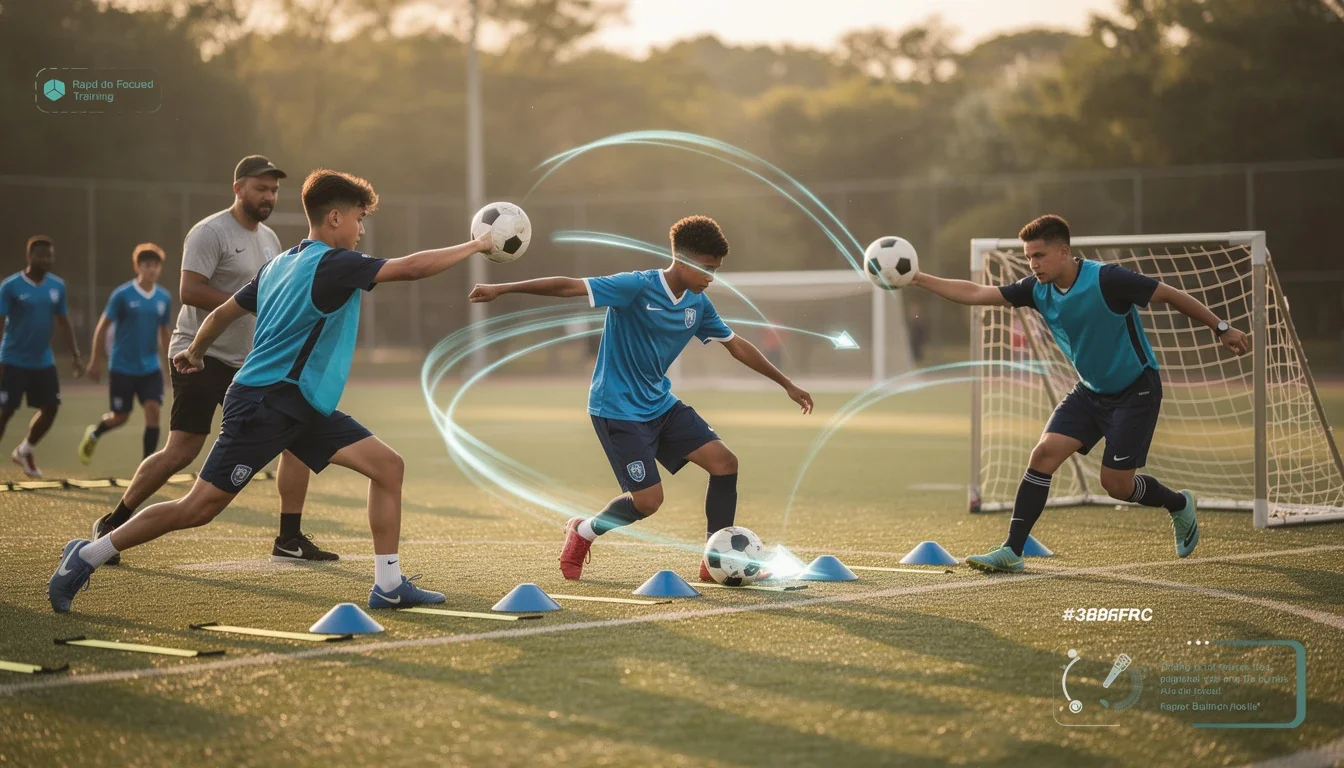
I worked with a high school defender who went from fringe player to captain in about 18 months using nothing dramatic. We built a routine around 15 minutes before dinner: five minutes of first touch against a wall, five minutes of passes with both feet, five minutes of quick sprints with direction changes. That is it. No fancy cones, no gym membership. He hardly ever missed because it felt smaller than his math homework. Over a season, those tiny sessions add up to hours of extra touches that the average teammate simply never gets.
If you want a deeper breakdown of how to design these micro sessions, the approach is very similar to what I describe in Short Daily Soccer Training Sessions A beginner friendly guide, but you can keep it simpler for younger ages.
Balance fun, safety, and real skill development

Parents worry, quite reasonably, about injuries and burnout. So do I. The tension is that real progress in soccer training for ages 8-18 requires some physical stretch. The trick is to push smart, not hard for the sake of it. That means proper warm ups, appropriate contact for age, and enough fun that kids want to come back tomorrow.
Younger players should feel like they are playing games that secretly build skills. Tag games that require dribbling, mini 1 v 1 battles in a small box, or timed dribble races. One nine year old I know hated traditional drills but adored beating his previous best time in a simple cone slalom. We kept the same game but tweaked rules each week. His footwork improved, but he mostly talked about new records.
Teenagers, especially 15 to 18, often swing the other way. They accept heavy fitness work but ignore recovery. I have seen talented players limping through seasons because they treat sleep and nutrition as optional. A simple, boring rule I push is this: if you have time for intense sessions, you have time for five minutes of stretching and a glass of water afterward. It is not fancy science, just stubborn consistency.
Build smart technical foundations for every position
Even if your child is already a goalkeeper or a pure winger, technical foundations still decide their ceiling. In my experience, the best soccer training for ages 8-18 always includes three anchors first touch, passing, and striking technique. Positions simply add a layer on top. The annoying thing about early specialization is that it often skips those basics, then you hit a wall at 15.
One example that still sticks with me is a 13 year old goalkeeper who hated field work. We compromised. Half her solo sessions were handling, diving technique on soft grass, and distribution. The other half were short passing patterns and first touch with both feet. Two years later, her coach praised her as an extra playmaker in buildup because she stayed calm under pressure with the ball. That came from those early, slightly unpopular decisions.
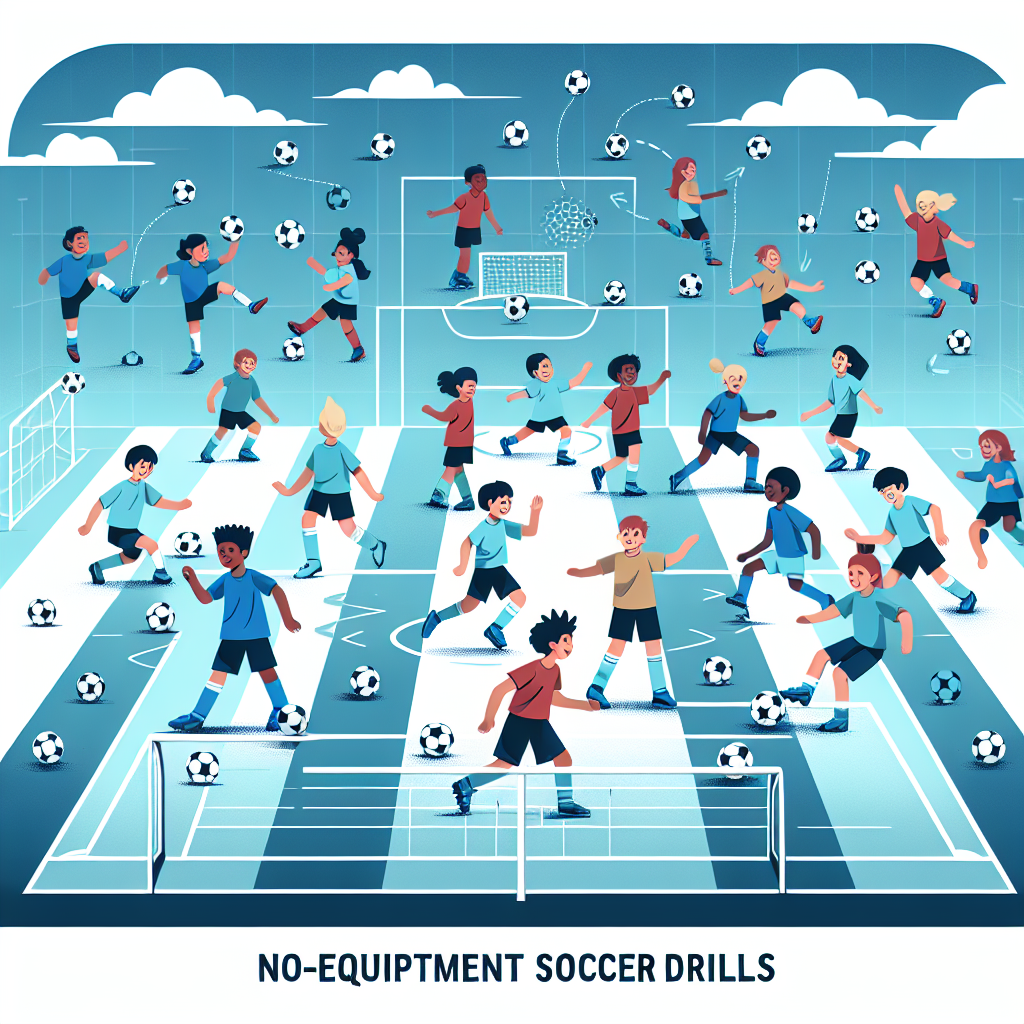
Forwards need repeated finishing from different angles, but always with proper body shape and balance. Defenders need tackling and heading technique, sure, but also the ability to receive and pass under pressure. Midfielders need scanning habits and quick one touch play. You do not need stadium level equipment. A wall, a few cones or even water bottles, and a simple plan often beat an overcrowded fancy clinic.